
CALL US 770-248-9089

2026 Best Hydrolyzed Peptides Suppliers for Global Buyers?

Choosing a supplier for Hydrolyzed Peptides is more than comparing prices or checking a glossy catalog. Global buyers need consistent specifications, traceable raw materials, and documents that match the product shipped. A certificate of analysis should identify the batch and relevant test results. Ask how the supplier measures molecular-weight distribution, degree of hydrolysis, moisture, and microbiological quality. Details matter.

Dr. Ralf Jaeger, a sports nutrition researcher and co-author of research on sports nutrition, offers a useful principle for evaluating ingredient claims. In paraphrase: “Supplier claims deserve scrutiny, and decisions should rest on transparent evidence.” This is not a direct quotation about peptide suppliers, but it reflects a sound purchasing habit. Ask for current technical data, testing methods, and examples of batch-to-batch records. Then check whether answers are specific or merely polished.

The right partner should also explain production capacity, lead times, packaging options, and support for export documentation. Buyers may need different grades for food, supplements, cosmetics, or research, so confirm the intended application before comparing offers. Verify that specifications and quality systems fit the destination market; requirements can differ. Request a sample, review its paperwork, and compare it with the agreed specification. Small inconsistencies are worth discussing.

Not every supplier will disclose every process detail. That is a limitation, not an automatic rejection. Still, vague answers about identity, testing, or traceability deserve caution. This guide compares suppliers through practical criteria, while recognizing that public information may be incomplete. The goal is a defensible shortlist—not a perfect promise.
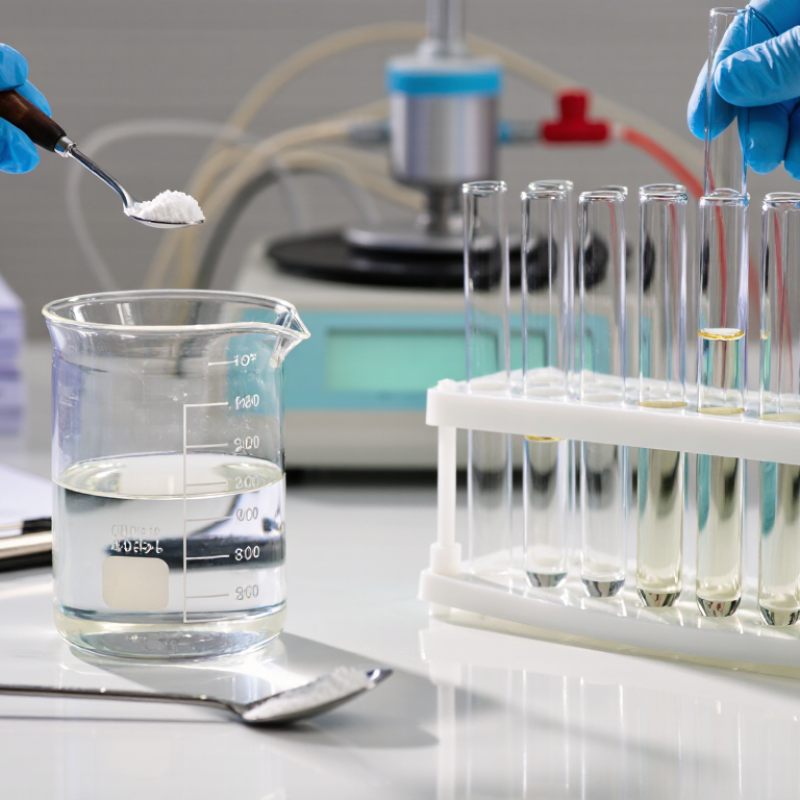
2026 Best Hydrolyzed Peptides Suppliers for Global Buyers?

Hydrolyzed Peptides: Definitions, Sources, and Key Product Types

Hydrolyzed peptides are short protein fragments produced when water and enzymes break peptide bonds. The result is usually a mixture of peptides and free amino acids, not one uniform molecule. Source material shapes the profile: collagen from animal connective tissue, whey or casein from milk, and soy or pea from plants are common examples. Fish-derived hydrolysates are another option. Not all are alike.

Product types are often grouped by source and intended function. Collagen peptides are used in food and nutrition formulations; whey and plant-protein hydrolysates can support protein fortification and improve solubility. Fish hydrolysates may use processing side streams, though the final composition depends on raw material and processing conditions. FAO’s State of World Fisheries and Aquaculture 2024 reports 185.4 million tonnes of aquatic animals produced in 2022, with 89% used for human consumption. This scale makes traceable sourcing worth checking.

Specifications should state protein content, peptide-size distribution, amino-acid profile, solubility, flavor, and test methods. A low average molecular weight alone does not prove better performance. That matters. In practice, the right grade depends on the finished product: a clear drink has different needs from a powder or bar. Supplier data can look neat on paper, but batch variation deserves attention.

How Manufacturers Produce and Test Hydrolyzed Peptides

Hydrolyzed peptides begin with a defined protein source, such as collagen or another food-grade protein. Manufacturers inspect and clean the raw material, then prepare it for processing. Enzymes break long protein chains into smaller fragments under controlled temperature, pH, and mixing conditions. Time matters. Too much hydrolysis can change taste, solubility, and peptide-size distribution. The enzyme is then inactivated, and filtration removes larger or unwanted material.

The liquid may be concentrated and spray-dried into a fine powder. Operators monitor moisture, temperature, and batch records throughout production. Small details matter. A brief temperature shift can affect consistency, so process limits should be documented rather than assumed. Manufacturers should also be able to trace ingredients and processing steps to specific lots.

Testing should confirm identity and assess relevant quality attributes. Common checks include protein content, moisture, microbial counts, and heavy metals, with methods selected for the material and intended use. Size-exclusion chromatography can help describe molecular-weight distribution; amino acid analysis can provide another composition check. A certificate of analysis is useful, but it should identify the test methods and batch. Not every result tells the whole story. Buyers can compare specifications with independent test data and ask how deviations are investigated, while recognizing that peptide profiles may vary naturally between batches.

Hydrolyzed Peptides: Typical Production Temperature Ranges

Illustrative operating ranges used in common enzymatic hydrolysis and spray-drying processes—not supplier-specific specifications.

Enzymatic hydrolysis is commonly conducted at moderate temperatures, followed by heat treatment to inactivate enzymes and drying to produce a stable powder. Actual settings depend on the protein source, enzyme, and equipment. Buyers typically review molecular-weight distribution, amino-acid profile, protein content, moisture, microbiological quality, and contaminant test results.

What Global Buyers Should Check in Supplier Credentials

For global buyers, supplier credentials should be verified against the exact hydrolyzed peptide and production site—not accepted as a folder of certificates. Check the legal entity, manufacturing address, certificate scope, expiry date, and latest audit status. ISO’s 2022 Survey recorded 1,265,216 valid ISO 9001 certificates across 189 economies. That scale makes one point clear: certification is common, but it does not prove that a specific lot meets your specification. Ask for a recent, lot-specific certificate of analysis, with test methods and limits for identity, moisture, microbiological quality, and relevant contaminants. A polished PDF is not enough.

Traceability matters in practice. Request a sample lot record linking incoming raw materials to processing, testing, and finished-goods release. Ask how deviations are investigated, who approves corrective actions, and whether changes in process or raw-material source are notified before shipment. Verify analytical methods with your technical team; a result without a method can be hard to compare. Keep a sealed sample from the first shipment, where feasible, and compare it with later lots. Small details count. A supplier may have strong paperwork yet provide vague answers about batch variation. That deserves a follow-up, not an automatic rejection.

Comparing Supplier Capabilities, Quality, and Product Range

Comparing hydrolyzed-peptide suppliers means checking more than price and protein content. Ask for the raw-material origin, processing method, peptide-size distribution, and batch-specific certificates of analysis. For marine-derived materials, traceability deserves particular attention. The FAO’s The State of World Fisheries and Aquaculture 2024 reports 223.2 million tonnes of fisheries and aquaculture production in 2022, including 94.4 million tonnes from aquaculture. That scale offers sourcing options, but it does not prove a supplier can trace a particular lot. Numbers help. Request records linking incoming material to finished-product batches.

Quality comparisons should include degree of hydrolysis, amino-acid profile, microbiological results, and contaminant testing, with methods clearly identified. A polished certificate is not a substitute for consistent results across several batches. Not enough. Product range also matters: suppliers may offer different animal, marine, or plant sources, alongside powders or liquids and application-specific solubility or taste profiles. Request samples for your actual process, then check dissolution, odor, and performance after storage. I would be cautious about broad claims such as “high bioavailability” unless the supplier provides relevant evidence for the intended use. Some buyers overlook this step. A supplier’s technical response, change-control process, and ability to provide repeatable specifications can reveal more than its catalogue.

2026 Best Hydrolyzed Peptides Suppliers for Global Buyers? - Comparing Supplier Capabilities, Quality, and Product Range

This buyer-oriented comparison uses supplier categories rather than company names. Product availability and specifications vary by manufacturer and grade; verify them against current technical documents and samples before purchase.

Supplier category Common product range Capabilities to compare Quality evidence to request Best fit for Key buyer checks
Collagen peptide specialist Hydrolyzed collagen peptides, commonly sourced from bovine, porcine, marine, or poultry collagen, depending on the supplier. Source and traceability; available particle sizes and solubility grades; flavor, color, and application support. Current specification and certificate of analysis (COA); source and allergen statements; microbiological and contaminant test results. Food, beverage, and supplement buyers seeking collagen-specific formats. Confirm species, country of origin, halal or kosher documentation where needed, and the test methods used for molecular-weight claims.
Dairy and whey hydrolysate producer Hydrolyzed whey or other milk-protein ingredients; products may differ in protein content, degree of hydrolysis, and sensory profile. Control of hydrolysis and flavor; lactose management; formats suited to nutrition and food applications. COA, allergen declaration for milk, protein and moisture results, microbiological testing, and relevant food-safety certification scope. Buyers developing dairy-based nutrition products or protein-fortified foods. Check lactose level, taste in the finished application, solubility, and whether the ingredient meets the intended regulatory category.
Plant-protein hydrolysate producer Hydrolysates made from plant proteins such as soy, pea, wheat, or rice; exact sources depend on the product portfolio. Raw-material sourcing; control of bitterness and aroma; compatibility with beverages, savory foods, or other target uses. COA, source and allergen statements, microbiological results, and contaminant testing relevant to the raw material and destination market. Food manufacturers seeking plant-derived peptide ingredients or functional protein components. Verify species and processing aids; assess flavor and solubility in a sample; review local rules for allergen labeling and claims.
Multi-source ingredient manufacturer May offer more than one hydrolyzed-protein category, such as collagen, dairy, or plant-based ingredients. Breadth of catalog, consolidated sourcing, application support, and ability to supply more than one ingredient type. Product-specific COAs and specifications; site-specific food-safety certificates; traceability and change-control procedures. Buyers consolidating procurement across several ingredient categories. Evaluate each product and manufacturing site separately; a broad catalog does not establish equivalent quality across products.
Regional distributor or ingredient partner A selected range of hydrolyzed peptides from one or more manufacturers, depending on the distributor’s portfolio. Local stock, import coordination, documentation support, and access to technical or regulatory contacts. Original manufacturer’s product documents, lot-specific COA, storage conditions, and documented chain of custody. Smaller or regional buyers prioritizing local service and purchasing flexibility. Identify the actual manufacturer and production site; confirm stock status, shelf life, and responsibility for complaints or recalls.
Practical qualification checklist
  • Compare the same product type and intended application; “hydrolyzed peptides” is not a single standardized specification.
  • Request current specifications, lot-specific COAs, allergen and origin statements, and relevant food-safety certificates. Confirm certificate scope and issuing site.
  • Assess samples in the intended formulation, including taste, solubility, color, and processing performance.
  • Check export documentation, applicable destination-market requirements, minimum order quantity, lead time, packaging, and change-notification terms.
  • Do not treat a certification, molecular-weight statement, or supplier description as proof of a health benefit or regulatory approval.

How to Assess Pricing, Shipping, and Regulatory Requirements

A supplier’s quoted price is only the starting point. Compare cost per kilogram at your destination, including freight, insurance, customs handling, testing, and any minimum-order fees. Ask for tiered pricing and a current certificate of analysis for the exact lot. Check protein content, moisture, solubility, and allergen statements against your specification. Small charges accumulate.

Shipping quotes need context. Confirm the Incoterm, dispatch location, transit time, packaging, and who handles import clearance. IATA reported that global air cargo demand rose 11.3% in 2024, while capacity grew 7. invece. That industry data signals a busier cargo market, not a guaranteed price increase for every shipment. For hydrolyzed peptides, request evidence that the proposed packaging protects the powder from moisture and temperature exposure during transit. A low quote can hide slow customs paperwork or costly expedited delivery.

Regulatory checks depend on the product’s intended use and destination. For US dietary-supplement manufacturing, relevant facilities and activities may fall under FDA requirements in 21 CFR Part 111. Ask suppliers for traceability records, manufacturing details, contaminant testing, and documents supporting the product’s intended category. Verify these against local rules with a qualified regulatory adviser; a supplier’s “compliant” statement is not enough. I would also compare two recent lots, not just one. Supplier documents can look complete while batch consistency remains uncertain.