What Are the 2026 Top Paper Cylinders for Global Buyers?
In 2026, global buyers will examine Paper Cylinders beyond price and appearance. They will study fiber origin, wall strength, moisture resistance, and end-of-life options. A cylinder may look sturdy on a warehouse pallet, yet soften after several humid shipping days. Small details matter.
Packaging specialist Robert Lilienfeld has shared a practical principle: “The most sustainable package is the one that performs its job with the least material.” This idea remains relevant for Paper Cylinders used in mailing tubes, industrial cores, food-contact applications, and protective packaging. Buyers need verified specifications, not attractive claims. Ask for recycled-content evidence, fiber certifications, compression-test results, and batch consistency. Check the adhesive system too. It can affect recyclability and performance.
The strongest 2026 choices will balance durability, responsible sourcing, production efficiency, and regional availability. Suppliers with documented quality systems deserve closer attention. So do manufacturers that explain limitations clearly. No product fits every market. A lightweight cylinder may reduce shipping emissions, but it can fail under stacking pressure. A thicker wall may offer safety, yet increase material consumption.
This guide compares leading Paper Cylinders for international procurement. It considers real warehouse conditions, export handling, customization, and supplier reliability. Some market rankings remain imperfect because specifications vary between regions. That deserves honest reflection. Buyers should validate every shortlist with samples and independent testing before making a large commitment.
What Are Paper Cylinders and How Are They Used?
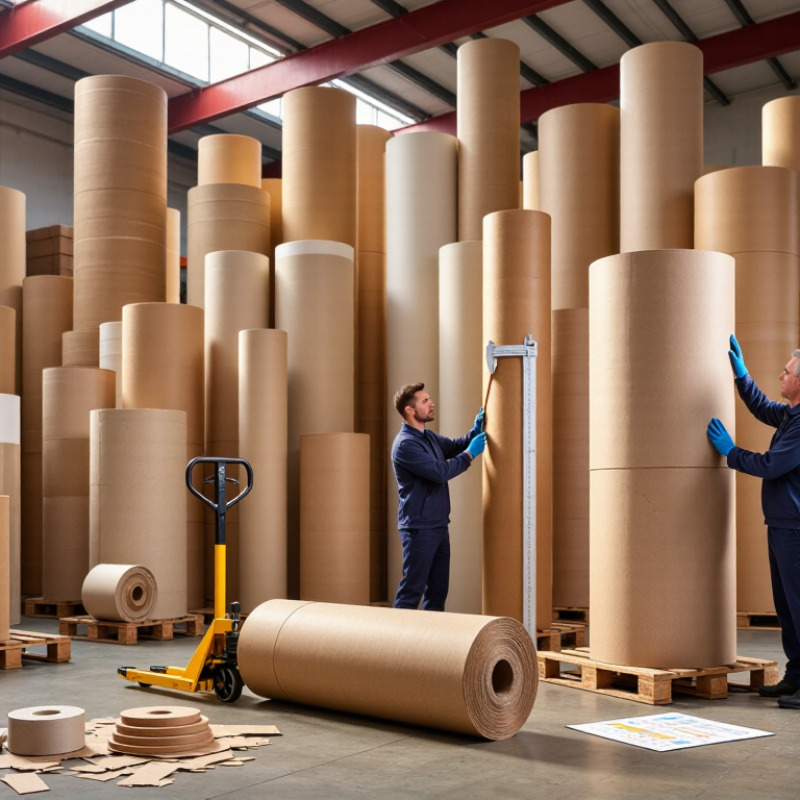
Paper cylinders are rigid, hollow tubes made by winding paper layers around a mandrel. Manufacturers bond these layers with controlled pressure and suitable adhesives. The result can be light, strong, recyclable, and easy to customize. Diameter, wall thickness, length, and moisture resistance define performance. A thin tube may suit labels, while a heavy-wall tube can protect posters or textiles. Small details matter.
Global buyers use paper cylinders as cores for films, foil, labels, tape, and fabric rolls. They also serve as mailing tubes, gift packaging, display containers, and protective sleeves. In food-related applications, the inner liner must match the product and local safety requirements. For industrial use, compression strength and edge quality deserve close testing. A cylinder that looks perfect may deform during stacking. That lesson is easy to miss.
For 2026 sourcing, “top” means the right cylinder for the job, not the heaviest one. A reliable purchasing review should check moisture content, winding tension, seam consistency, and load behavior. Ask for samples from the actual production line. Measure the inner diameter after storage, not only on delivery day. Temperature and humidity can change fit. Recycled paper content can support sustainability goals, but it may affect stiffness and surface smoothness. I would avoid judging quality from appearance alone. Specifications sometimes sound precise, yet real handling exposes weak edges or uneven cuts. That is where buyer judgment still matters.
What Are the 2026 Top Paper Cylinders for Global Buyers?
Paper cylinders, also called paper tubes or cores, are spiral- or convolute-wound paperboard products used to support, protect, store, and transport rolled materials. The chart shows common nominal core inner diameters used across major industrial applications.
How they are used: Smaller cores are common for labels, tapes, and films; medium diameters are widely used for textiles, paper, and flexible packaging; larger cores support carpets, flooring materials, and other heavy rolls. Actual specifications vary according to roll weight, winding tension, material width, and equipment requirements.
Which Paper Cylinder Types Will Lead Global Markets in 2026?
In 2026, paper cylinder markets will favor products that balance strength, recyclability, and efficient shipping. Industrial winding cores should remain highly demanded. They support films, textiles, paper, and flexible packaging materials. Buyers will examine crush resistance, wall thickness, surface smoothness, and dimensional accuracy. Small variations can damage high-speed production.
Spiral-wound paper tubes will lead many packaging applications. Their layered construction offers dependable compression strength with controlled material use. Mailing tubes will also grow as online retail expands. Recyclable paper canisters may gain attention in food, cosmetics, and household goods. Moisture-resistant barriers will matter, but buyers should confirm whether those layers affect recycling routes. Not every “green” claim is equally practical.
Heavy-duty composite cylinders will serve demanding logistics and industrial storage needs. Their performance depends on fiber grade, adhesive selection, winding tension, and end protection. In sourcing reviews, reliable buyers request compression tests, moisture testing, stack-load data, and consistent batch records. They also check production tolerances before placing large orders. Regional recycling systems can change the best choice. A strong cylinder in one market may be excessive in another. Forecasts can be wrong. Cost, climate, transport distance, and local collection systems will still reshape demand throughout 2026.
What Are the 2026 Top Paper Cylinders for Global Buyers? - Which Paper Cylinder Types Will Lead Global Markets in 2026?
Comparative buyer guide based on construction, end-use demand, performance requirements, and sustainability considerations
| Paper Cylinder Type | Typical Construction | Main Global Applications | Key Performance Characteristics | Primary Buyer Requirements | Sustainability Profile | 2026 Global Buyer Outlook |
|---|---|---|---|---|---|---|
| Spiral-Wound Paper Tubes | Multiple paper plies wound helically around a mandrel with adhesive between layers. | Paper, film, foil, textile, label, tape, and flexible-packaging cores. | Good compression strength, consistent roundness, efficient high-speed production, and broad diameter availability. | Core fit, crush resistance, winding speed, dimensional tolerance, moisture control, and clean edges. | Generally recyclable where the adhesive, coatings, and attached materials are accepted by local paper-recycling systems. | Very Strong Expected to remain a leading choice for industrial winding and converting operations. |
| Convolute-Wound Paper Tubes | Paper plies wound at a large angle, usually producing a rigid tube with a smooth, stable wall. | Protective packaging, mailing tubes, construction forms, carpet and textile packaging, and composite containers. | High rigidity, strong stacking performance, smooth outer surfaces, and suitability for larger diameters. | Wall thickness, impact resistance, straightness, surface finish, cut quality, and load-bearing capacity. | Paper-based construction can support recyclable packaging designs, subject to liners, caps, coatings, and adhesive selection. | Strong Likely to benefit from demand for rigid, fiber-based protective packaging. |
| Parallel-Wound Paper Cores | Paper strips or plies aligned substantially parallel to the cylinder axis and bonded into a rigid core. | Heavy-duty rolls, metal and plastic film, nonwovens, industrial laminates, and high-load winding. | High axial strength, strong resistance to end crushing, and stable support for heavy or wide rolls. | Axial compression, flange compatibility, concentricity, moisture resistance, and reliable performance during transport. | Can use recycled fiber and may be recyclable when free from incompatible coatings and bonded materials. | Strong Niche Expected to lead specialized applications where axial load capacity is critical. |
| Paper Packaging Cans | Rigid spiral- or convolute-wound paper body combined with paper, metal, or plastic ends and optional barrier layers. | Dry foods, snacks, confectionery, powders, pet treats, household products, and gift packaging. | Good shelf presence, printable surface, light weight, and adaptable shape and closure options. | Oxygen and moisture barrier, food-contact compliance, seal integrity, odor control, filling-line compatibility, and consumer convenience. | Recyclability depends heavily on the separation or compatibility of barrier films, metal components, coatings, and closures. | Very Strong Expected to expand where brands and retailers seek rigid fiber-based alternatives to selected plastic formats. |
| Paper Mailing and Postal Tubes | Rigid paperboard tube with protective end caps, plugs, or roll-closure systems. | Posters, artwork, architectural drawings, calendars, documents, textiles, and small rolled products. | Lightweight protection against bending, efficient cylindrical packing, and good printability. | Impact resistance, internal diameter, length tolerance, cap retention, parcel handling performance, and low shipping weight. | Usually compatible with paper recycling when caps, labels, tapes, and plastic components can be removed or accepted locally. | Strong Supported by e-commerce, direct-to-consumer shipping, and demand for recyclable protective packaging. |
| Concrete Form Tubes | Heavy-duty spiral-wound paperboard tube, often treated or coated to resist wet concrete and facilitate stripping. | Round columns, foundations, posts, piers, and other cast-in-place construction applications. | High radial strength, low weight compared with reusable rigid forms, and fast on-site installation. | Wet-strength performance, dimensional stability, easy stripping, job-site handling, and compliance with construction specifications. | Fiber recovery can be limited by concrete contamination and water-resistant treatments; disposal requirements vary by region. | Stable Niche Likely to remain important in construction markets where lightweight, disposable forming systems are practical. |
| Composite Paper Cores with Barrier Layers | Paperboard structure combined with selected polymer, foil, coating, or specialty barrier layers. | Moisture-sensitive powders, specialty films, chemicals, premium packaging, and demanding industrial roll goods. | Improved resistance to humidity, grease, oxygen, chemicals, or abrasion compared with untreated paperboard. | Barrier performance, regulatory compliance, shelf life, bond strength, temperature range, and end-of-life instructions. | Performance can be high, but multi-material construction may reduce recyclability unless compatible with local recycling infrastructure. | Selective Growth Expected to grow in applications requiring protection that standard uncoated paper cylinders cannot provide. |
| Decorative and Premium Paper Cylinders | Rigid paperboard cylinder with printed, laminated, embossed, textured, or specialty-finish outer layers. | Cosmetics, candles, apparel accessories, gifts, specialty foods, promotional packaging, and home products. | High visual impact, 360-degree branding area, structural protection, and flexible closure and insert options. | Color accuracy, surface finish, print registration, scratch resistance, premium feel, and consistent dimensions. | Paper-based formats can support recyclable designs, although foil, plastic laminates, coatings, and mixed-material closures may affect recovery. | Strong Value Segment Expected to perform well where packaging appearance, unboxing, and material reduction influence purchasing decisions. |
What Materials and Manufacturing Features Define Top Paper Cylinders?
For global buyers, top paper cylinders begin with controlled material choices. Most reliable products use multi-ply kraft paper with consistent fiber strength. Recycled content can lower environmental impact, but its quality varies between batches. That difference matters when cylinders face stacking pressure, vibration, or humid ports. Manufacturers should state paper grammage, wall thickness, moisture resistance, and compression performance. Clear data beats vague claims.
A strong cylinder usually comes from spiral or convolute winding with carefully matched layers. Even adhesive distribution prevents soft spots and separation along the seam. Water-based adhesives may support cleaner production, yet they need proper drying control. Poor curing can cause swelling, odor, or loose ends during shipment.
Precision cutting keeps length and diameter within agreed tolerances. Small errors become expensive. I have seen buyers focus on appearance and overlook inner-wall smoothness. That choice can damage film, labels, or wound materials during repeated handling.
Top suppliers verify each batch through compression tests, dimensional checks, and visual inspections. Useful records include test dates, sampling rules, and storage conditions. Edge protection and fitted plugs also improve stability in warehouses. For food-contact or sensitive applications, buyers should request relevant compliance documents. Still, no specification replaces a production sample. A cylinder may pass laboratory testing and perform poorly in a damp container. The better decision combines measured performance with real shipping trials.
How Should Global Buyers Compare Paper Cylinder Suppliers?
What Are the 2026 Top Paper Cylinders for Global Buyers?
When global buyers compare paper cylinder suppliers in 2026, a polished catalog is not enough. The real test begins with the sample. Check wall thickness, inner diameter, edge finish, winding direction, and surface smoothness. These details affect filling, stacking, sealing, and transport performance. Ask for tolerance data, not only attractive product photos. A reliable supplier should explain how measurements are controlled during production. Vague answers deserve caution.
Request a production sample made with the same materials and process. Test it under realistic pressure, humidity, and storage conditions. Paper cylinders may look identical but perform differently after long shipment. Review material traceability, batch records, moisture resistance, and compression results. Confirm whether recycled content claims include supporting documentation. A supplier with professional quality controls will share clear records without unnecessary delay. Small gaps in testing can become expensive problems.
Price still matters, but it should not lead the comparison. Evaluate minimum order quantities, sampling fees, lead times, packaging methods, and replacement procedures. Communication is also measurable. Does the supplier answer technical questions precisely? Can the factory adjust dimensions without losing consistency? In practical sourcing reviews, I have seen buyers overvalue low prices and underestimate uneven batches. That mistake is easy to repeat. No comparison is perfect. Leave room for retesting before a long-term order.
What Standards and Sustainability Factors Shape 2026 Purchasing Decisions?
In 2026, global buyers will judge paper cylinders beyond appearance and price. They will examine fiber origin, recycled content, coating chemistry, and end-of-life performance. A cylinder may look recyclable, yet a plastic lining or difficult adhesive can limit recovery. This detail is often missed.
Reliable purchasing starts with measurable standards. Buyers should request chain-of-custody documents, recycled-content evidence, and current laboratory reports. Food-contact applications require compliance with the destination market’s rules. Packaging claims should also match recognized testing methods, such as compostability or recyclability assessments. Supplier audits can verify moisture control, wall thickness, compression strength, and winding consistency. Small production variations matter during long-distance shipping.
Sustainability data deserves careful questioning. A supplier’s carbon figure should explain its boundary, energy sources, transport assumptions, and calculation method. Recycled fiber can reduce resource use, but excessive recycling may weaken performance. Lightweighting helps freight emissions, although fragile cylinders may create more damage and waste. No option is perfect.
Purchasing teams should compare verified data, not attractive slogans. They can also test samples in realistic conditions, including humidity, stacking, and opening by hand. One practical weakness remains: global standards do not always align, and certificates can expire. Buyers need scheduled reviews, transparent corrective actions, and suppliers willing to disclose uncomfortable results. That honesty often signals stronger long-term reliability.