Best Machine Packaging Food Solutions for Global Buyers?
In the dynamic world of food production, efficiency is key. Global buyers seek the best solutions for machine packaging food. This process directly impacts shelf life, taste, and safety. As the demand for convenience grows, so does the need for innovative packaging methods.
Machine packaging food plays a crucial role in maintaining quality while ensuring speed. Many manufacturers rely on advanced technology to meet market needs. These innovations can reduce waste and enhance product appeal. However, not all solutions are universally effective. Each market has unique requirements.
Buyers must consider several factors when choosing packaging. Sustainability is becoming increasingly important. The right equipment can help reduce environmental impact. Still, balancing cost and quality remains a challenge. Experts encourage ongoing evaluation of packaging methods. The journey towards optimal solutions is continuous and requires thoughtful reflection.
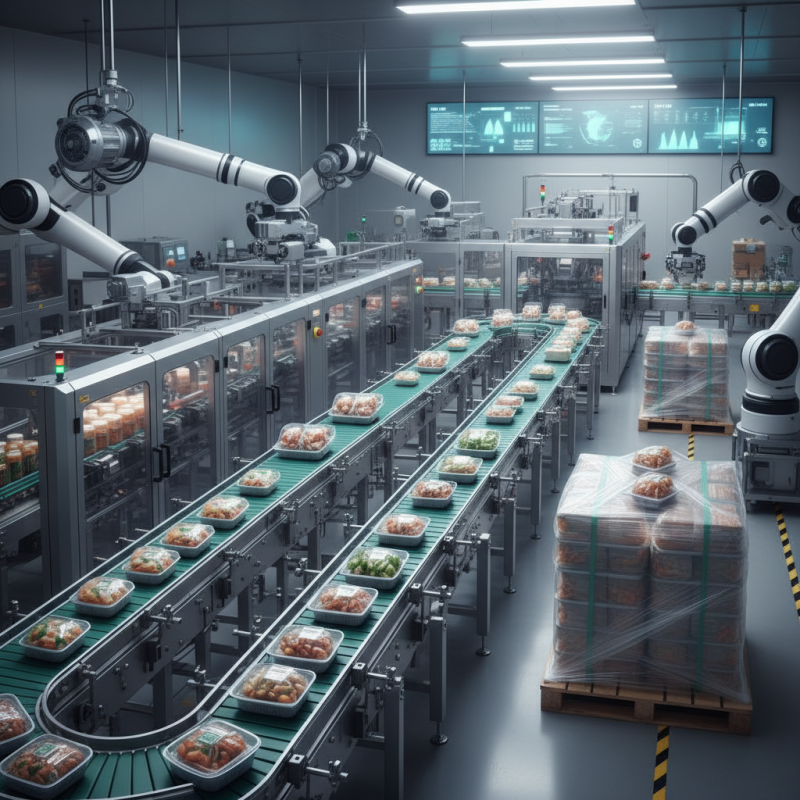
Understanding Machine Packaging Food Solutions for Global Buyers
The global food packaging sector is rapidly evolving.
Advanced technologies are now streamlining processes, enhancing efficiency. According to a recent report by the Freedonia Group, the global food packaging market is expected to reach approximately $500 billion by 2027, driven by innovation and sustainability.
Sustainable packaging solutions are no longer optional. The demand for eco-friendly materials is rising. A study from Smithers Pira highlights that over 67% of consumers prefer products with sustainable packaging. This shift impacts purchasing decisions significantly. Machine packaging solutions must adapt to meet these new consumer expectations.
Automation plays a vital role in enhancing productivity. Recent data suggests that automated packaging processes can reduce labor costs by 20-30%. However, the transition to automation isn't without challenges. Technical difficulties and training requirements can hinder progress. Companies must reflect on their implementation strategies to avoid costly mistakes and ensure smooth operations.
Types of Packaging Machines for Food Products
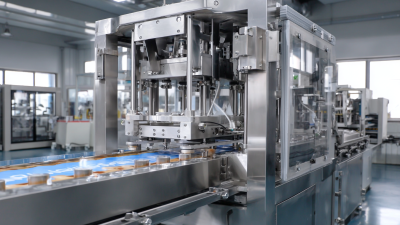
When considering packaging solutions for food products, various types of machines come into play. Sachet packing machines offer versatility for small to medium-sized products. They ensure precise portion control and have a compact design, making them ideal for diverse applications. These machines can automate the packing process, reducing labor costs and improving efficiency.
Flow wrap machines are suitable for packaging larger items. They create a flexible film wrapper around products such as snacks or baked goods. This method helps maintain freshness and extends shelf life. Moreover, adjusting the machine’s settings is relatively simple, allowing for different product sizes without extensive downtime.
However, choosing the right machine is not always straightforward. Factors like product type, packaging material, and production speed must be considered. Some buyers may overlook the importance of machine maintenance. Regular upkeep can prevent costly breakdowns and ensure consistent performance. Thus, investing time in understanding these machines pays off in the long run.
Key Features to Consider in Food Packaging Solutions
When selecting food packaging solutions, several key features deserve careful consideration. First, the materials used play a crucial role. They need to ensure food safety and maintain product freshness. Biodegradable options are gaining popularity. These choices impact the environment significantly. Understanding the benefits of each material helps buyers make informed decisions.
Another vital aspect is the design of the packaging. It should not only be functional but also visually appealing. Attractive packaging can influence consumer choices. Ergonomics is essential too; packages should be easy to open and handle. Furthermore, scalability is a factor. The solution must adapt to different production sizes and types of food products.
Investing in technology is also worth reflecting on. Automation can improve efficiency and reduce labor costs. However, the initial investment may be high. Companies need to weigh short-term costs against long-term benefits. Lastly, ensure sustainability practices are in place. This approach builds trust and supports brand loyalty. Balancing all these elements can be challenging, but getting it right is crucial for success.
Best Machine Packaging Food Solutions for Global Buyers
Top Brands and Manufacturers in Food Packaging Machinery
When considering food packaging machinery, understanding the landscape of top manufacturers is crucial. Many companies specialize in providing reliable and innovative packaging solutions. These companies typically focus on efficiency and sustainability. Their machines often address diverse needs in the food industry, from preserving freshness to enhancing shelf appeal.
A variety of brands now offer automated systems that improve packaging speed. Some machines are designed with user-friendly interfaces, catering to companies of all sizes. However, potential buyers need to evaluate their specific packaging needs closely. The right choice often requires balancing technology and budget constraints. It's not uncommon for firms to face challenges in adopting new machines, especially if integration with existing systems is complex.
Manufacturers continuously work on advancements. This progress sometimes leads to overwhelming options for buyers. Different materials, styles, and functionalities are available. Exploring these options can result in better decision-making. Yet, the multitude of choices can also create uncertainty. Buyers are encouraged to seek professional advice and perform thorough research. This will help in mitigating risks and identifying the best food packaging solution for their business.
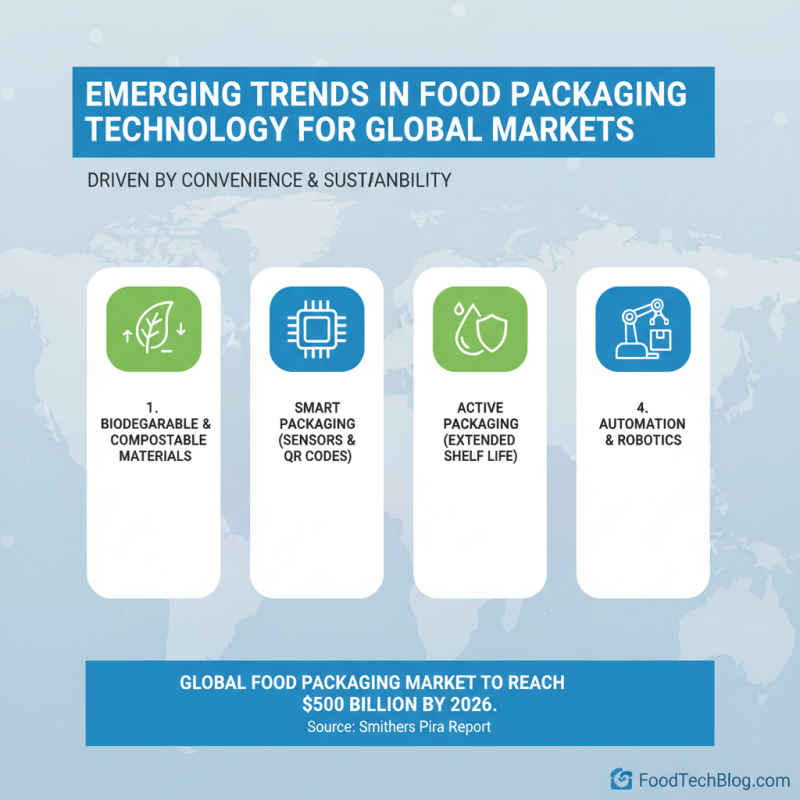
Emerging Trends in Food Packaging Technology for Global Markets
The food packaging industry is evolving rapidly. Emerging technologies are shaping how products are packaged, transported, and stored. According to a report by Smithers Pira, the global food packaging market is expected to reach $500 billion by 2026, driven by demand for convenience and sustainability.
One significant trend is the use of biodegradable materials. These materials reduce plastic waste and appeal to environmentally conscious consumers. A study from the European Bioplastics Association reported that the bioplastics market is anticipated to grow to 2.3 million tons by 2024. This data highlights the shift towards eco-friendly options. However, the challenge remains in balancing cost and functionality.
Tips: Invest in understanding your target market. Research the preferences of consumers regarding sustainable packaging. Also, consider innovations such as smart technology. Integrating QR codes or tracking chips into packaging can enhance user interaction. This technology can provide essential information to consumers, yet adoption could be slow due to cost or consumer hesitation.
Another trend is the growth of flexible packaging. This format offers convenience and reduces waste. A report by Grand View Research states that flexible packaging is expected to surpass $300 billion by 2024. It’s lightweight and efficient, which leads to reduced transportation costs. Yet, achieving a balance between flexibility and protection can be a complex issue for manufacturers.