What is Book Printing Inspection and Why is it Important?
In the world of publishing, Book Printing Inspection is a critical process. This phase ensures that printed materials meet specific quality standards. According to John Smith, a leading expert in the book printing industry, "Quality control is the backbone of successful printing." His insight highlights the importance of preserving integrity in printed works.
Book Printing Inspection examines several factors. It checks for color accuracy, alignment, and page consistency. Each detail matters greatly. Defects can lead to costly reprints and loss of credibility. Often, publishers overlook these vital checks in a rush to meet deadlines. This oversight can damage their reputation.
Inadequate inspection may lead to unsatisfactory results. Books could be poorly bound, or pages might be out of order. These issues require reflection on the inspection process. Publishers must prioritize quality over speed. The impact of thorough Book Printing Inspection is invaluable. It contributes to the overall success of a publication. Ensuring quality helps maintain trust with readers and authors alike.
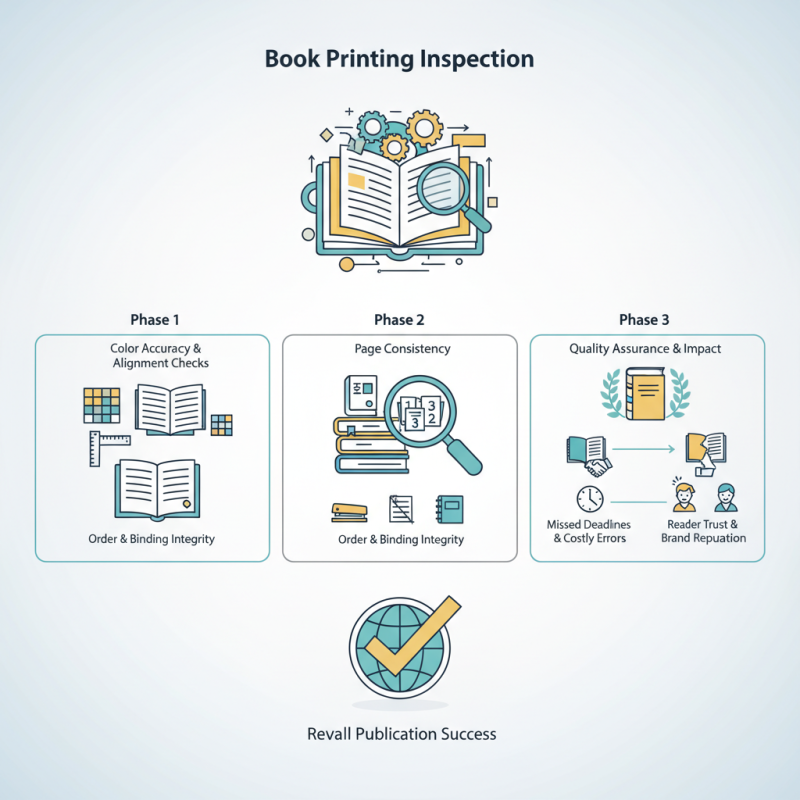
Understanding Book Printing Inspection: Definition and Purpose
Book printing inspection is a crucial part of the publishing process. It ensures each book meets quality standards. This inspection checks for errors, misprints, and alignment issues. It is not just about aesthetics; functional aspects matter too. For instance, pages should turn smoothly without tearing. The spine must hold firmly.
Many times, defects may not be apparent at first glance. Small issues can lead to dissatisfaction among readers. A book with a crooked cover or missing pages may frustrate buyers. Attention to detail is vital. Inspectors often look for consistency in color, typography, and layout. This process can save a publisher from potential losses.
The purpose of inspection goes beyond catching errors. It builds trust with readers. When a book arrives in perfect condition, it reflects care and professionalism. However, relying on automated processes can overlook subtle defects. Human touch in the inspection process is irreplaceable. Conversations with inspectors reveal many challenges. They stress the importance of careful scrutiny and the need for continuous improvement.
Book Printing Inspection Metrics
This bar chart illustrates various metrics used in book printing inspection, highlighting the importance of maintaining quality across different areas such as quality control, print accuracy, binding integrity, color consistency, and paper quality.
Key Components of Book Printing Inspection Processes
Book printing inspection is a crucial phase in the publishing process. It involves several key components that help ensure the final product meets quality standards. One important aspect is color accuracy. Inspectors compare printed pages against approved proofs. This ensures that hues and tones match the desired outcome. If mismatches occur, adjustments are necessary before the final print run.
Another component is the verification of text alignment and page layout. Each page must feature text and images positioned correctly. Inspectors check for any misalignment or typos. Such errors, if overlooked, can diminish the reader's experience. The condition of the paper and binding is also assessed. Inspectors look for defects, like tears or uneven cuts. These issues can affect the overall aesthetics and durability.
Every step in book printing inspection requires attention to detail. Even small oversights can lead to significant problems later. Some may argue that thorough inspection slows down production. However, the long-term benefits of quality assurance far outweigh this concern. Continuous improvement in inspection processes is essential, as it fosters higher standards and customer satisfaction.
Common Issues Detected During Book Printing Inspection
During the book printing process, inspections play a crucial role in ensuring quality. Common issues detected include misalignment, color variations, and binding problems. According to industry reports, about 20% of printed books have some form of defect. This data underscores the importance of thorough inspections.
Misalignment is a frequent issue that can ruin the reading experience. Pages may not line up correctly, leading to gaps or overlaps. This issue occurs in approximately 12% of printed books. Color variations are also problematic. Inconsistent hues can distract readers and diminish the book's aesthetic appeal. Around 15% of books experience such discrepancies, highlighting the need for precise color calibration during printing.
Binding problems often occur when the spine does not hold together properly. Weak bindings can lead to pages falling out over time. Reports suggest that nearly 10% of books suffer from inadequate binding. These common issues highlight the need for effective quality control measures. Regular inspections can catch these defects early, preventing costly reprints and ensuring superior products for consumers.
The Role of Quality Control in Book Printing Inspection
Quality control plays a crucial role in book printing inspection. It ensures that every printed page meets the desired standards. This process involves checking colors, fonts, and layouts meticulously. Any minor error can affect the book's overall presentation. A small misalignment might not be obvious, yet it detracts from the reading experience.
During inspection, quality control teams assess a range of issues. They look for ink smudges, page bleeds, and binding flaws. These details might seem insignificant, but they can lead to larger challenges. If a book is poorly printed, it may not sell well. This can lead to financial losses and tarnished reputations.
It’s vital to have a thorough inspection process in place. However, even the best systems can miss errors. Human oversight is a factor, and relying solely on technology may not catch every defect. Balancing manual checks with automated systems can help amplify quality. Thoughtful reflection on past inspections can guide future improvements.
Impact of Book Printing Inspection on Overall Product Quality
Book printing inspection plays a crucial role in ensuring the final product meets quality standards. This process involves several checks during production. Inspectors evaluate print clarity, color accuracy, and binding strength. Even small errors can lead to dissatisfaction among readers. A vibrant cover that fades or text that smudges can detract from the reading experience.
Improper inspections may result in significant issues. Books with wildly mismatched colors lose their appeal. Pages that are poorly aligned or missing can frustrate readers. The impact of these defects can tarnish the publisher's reputation. Moreover, once a book reaches the market, it is too late for corrections. Ensuring quality through rigorous inspection can foster trust and loyalty among consumers.
Not every printed book comes out perfect. The human eye can miss defects, causing books to leave the press flawed. Manual inspections can be subjective. Automating parts of the process might improve consistency, yet it lacks the human touch. Balancing technology and human oversight is vital for achieving optimal quality. Finding this balance remains a challenge for many in the industry.