
CALL US 770-248-9089

What Is Bovine Collagen Powder and How Does It Work?

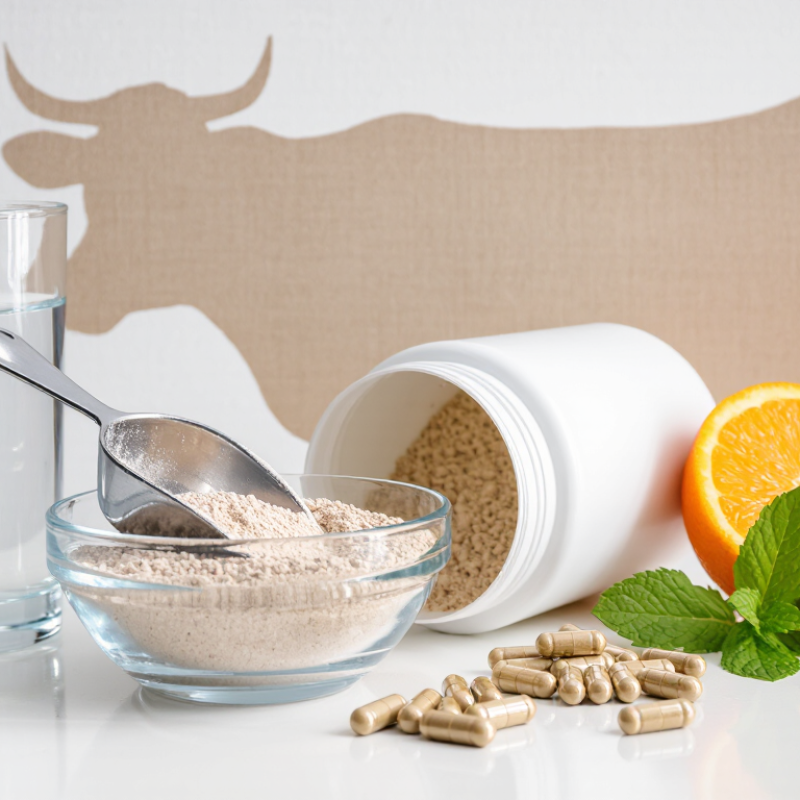
What Is Bovine Collagen Powder and How Does It Work? This guide examines the answer through nutrition science, product quality, and practical use. Bovine collagen comes mainly from carefully processed cattle hides, bones, or connective tissues. Manufacturers break the protein into smaller peptides through hydrolysis. This process creates a powder that mixes more easily in water, coffee, smoothies, or yogurt.

The phrase Collagen Powder Bovine usually describes a supplement containing bovine-derived collagen peptides. After digestion, the body separates these peptides into amino acids and smaller fragments. Some may support the production of collagen in skin, cartilage, bones, and other connective tissues. The powder does not travel directly to a wrinkle or aching knee. Biology is less precise than advertising often suggests.

Human research reports possible improvements in skin hydration, elasticity, and joint comfort. However, results vary by dose, product quality, study design, and individual health. Research remains promising, not magical. Some findings also come from small or industry-funded trials, which deserve careful interpretation. That matters.

A reliable product should disclose its source, peptide form, serving size, and testing standards. Third-party testing can help verify identity, purity, and unwanted contaminants. Bovine collagen is not suitable for people avoiding animal products, and it may not fit every dietary or medical need. Anyone with allergies, kidney concerns, pregnancy, or ongoing treatment should seek professional advice before use. Personal experience can be useful, but it cannot replace controlled evidence. The most honest view is simple: bovine collagen may complement a balanced diet, yet it cannot repair poor nutrition, lack of sleep, or unrealistic expectations.
What Is Bovine Collagen Powder and How Does It Work?

What Is Bovine Collagen Powder?

Bovine collagen powder is a protein ingredient made from cattle hide, bones, or connective tissue. Manufacturers clean these materials and process them into collagen peptides. These peptides are usually hydrolyzed, meaning their long protein chains are broken into smaller pieces. The result is a pale powder that dissolves in water, coffee, soup, or smoothies. It usually has a mild taste. Some products may contain additional flavoring, sweeteners, or minerals, so the ingredient label deserves careful attention.

Collagen naturally contains glycine, proline, and hydroxyproline. After digestion, the body absorbs amino acids and small peptide fragments, then uses them according to its needs. It does not send every scoop directly to the skin or joints. That common idea is too simple.

Research suggests collagen supplements may support skin elasticity, hydration, or joint comfort for some adults, but results differ between studies and individuals. Diet, age, exercise, sleep, and existing health conditions also matter.

Quality is another concern. Reliable products should identify the collagen source, processing method, allergens, and independent testing details. “Natural” does not always mean better.

People with dietary restrictions, pregnancy, allergies, or medical conditions should seek professional advice before regular use.

The evidence is promising, yet still incomplete.

How Bovine Collagen Is Produced and Processed

What Is Bovine Collagen Powder and How Does It Work?

Bovine collagen powder is made from collagen-rich cattle hides, skin, or bones. These materials are collected from regulated food-processing channels. Manufacturers clean them carefully to remove fat, tissue, and unwanted residues.

The cleaned material is treated with water, enzymes, or mild acids. This step helps loosen the tough collagen structure. For bone-based collagen, minerals are usually removed before extraction. The collagen then becomes gelatin-like and is broken into smaller peptides through controlled hydrolysis. These peptides dissolve more easily in water.

After filtration, the liquid is concentrated and spray-dried into a fine powder. Quality facilities test moisture, protein content, microbial safety, and possible contaminants. Processing conditions matter. Excessive heat may affect texture and solubility, although it does not automatically make the powder useless. Product labels should explain the collagen source and serving size. Yet labels cannot show every detail of the manufacturing process.

Once swallowed, collagen peptides are digested into amino acids and small peptide fragments. The body uses these materials wherever needed, including connective tissues. Some studies suggest benefits for skin hydration or joint comfort, but results vary between people. Collagen is not a direct replacement for a balanced diet. That point is easy to overlook.

Tips: Choose powder with clear sourcing and independent testing information. Mix it into cool or warm liquids, not boiling drinks. Follow the stated serving size. If you have allergies, kidney concerns, or dietary restrictions, ask a qualified healthcare professional before use.

What Is Bovine Collagen Powder and How Does It Work? — How Bovine Collagen Is Produced and Processed

Production or Functional Stage Primary Purpose What Happens Typical Scientific or Quality Considerations
Raw Material Selection Provide a collagen-rich source Bovine collagen is commonly obtained from cattle hides, skin, bones, or connective tissues. These tissues contain structural collagen, mainly Type I collagen. The raw material should be traceable, handled hygienically, and sourced from animals inspected under applicable food-safety regulations.
Cleaning and Preparation Remove unwanted tissue and contaminants The material is washed and mechanically prepared. Depending on the source, fat, hair, minerals, and non-collagenous proteins may be reduced or removed. Cleaning and separation help reduce impurities, odors, microbial load, and substances that could interfere with later processing.
Pretreatment Make the collagen structure easier to extract Acid or alkaline treatments may be used to swell the tissue and remove selected non-collagenous components. Bone-derived material may also undergo demineralization. Treatment conditions influence extraction efficiency, molecular structure, color, and the final functional properties of the powder.
Collagen Extraction Release collagen from the prepared tissue The treated material is extracted in controlled aqueous conditions. Enzymes such as pepsin may be used in some processes to remove terminal non-helical regions and improve solubility. Temperature, pH, time, enzyme use, and liquid-to-solid ratio affect yield and the characteristics of the extracted collagen.
Filtration and Purification Improve clarity and reduce unwanted substances The collagen solution can be filtered, clarified, concentrated, and purified to reduce particles, residual fats, pigments, salts, and other soluble impurities. Testing may include protein content, moisture, ash, microbial limits, heavy metals, and other specifications required for the intended use.
Hydrolysis Produce collagen peptides with improved dispersibility Enzymatic hydrolysis breaks some collagen molecules into shorter chains called collagen peptides or hydrolyzed collagen. This generally makes the material easier to dissolve and digest. The degree of hydrolysis affects average peptide size, solubility, taste, and handling properties. Exact values vary by manufacturing process.
Drying and Powder Formation Create a stable, convenient powdered ingredient The purified collagen or collagen-peptide solution is dried, commonly by spray drying or another controlled drying method, and then screened or milled if necessary. Moisture control, water activity, particle size, flowability, and protection from excessive heat help support storage stability.
Composition Define the main nutritional and structural components Collagen powder is primarily protein. It is rich in glycine, proline, and hydroxyproline, amino acids that contribute to collagen’s distinctive triple-helical structure. It is not a complete protein because it is low in or lacks adequate amounts of some essential amino acids, including tryptophan.
Digestion and Absorption Make collagen-derived peptides available to the body During digestion, collagen is broken down into smaller peptides and amino acids. Some hydroxyproline-containing peptides can appear temporarily in the bloodstream after ingestion. Absorption and blood-peptide responses can vary with dose, meal composition, individual digestion, and the product’s peptide profile.
How It May Work Support tissues that use collagen-related building materials Absorbed amino acids and small peptides provide substrates for protein synthesis. Research also suggests that certain peptides may act as signals in connective-tissue cells. Evidence is strongest for potential support of skin elasticity and joint-related outcomes in some studies; results are not guaranteed and depend on the individual.
Storage and Use Maintain product quality before consumption The powder should generally be kept sealed in a cool, dry place and protected from moisture. It may be mixed into water or other beverages according to the product directions. Consumers should check allergen statements, animal-source information, expiration dates, and the manufacturer’s recommended serving instructions.

Note: Processing methods, peptide size, composition, and quality specifications can vary among collagen products. The information above describes common bovine collagen production and processing principles.

What Nutrients and Collagen Types Does It Contain?

Bovine collagen powder comes from cattle hides, bones, or connective tissues. Manufacturers usually hydrolyze it into smaller peptides. This process makes the powder easier to dissolve and digest. In a glass, it often disappears with gentle stirring. The result is not a complete protein source, however. It lacks enough of several essential amino acids needed for balanced nutrition.

Its main collagen forms are Type I and Type III. Type I supports skin, bones, tendons, ligaments, and teeth. Type III contributes to skin, blood vessels, and other flexible tissues. The powder also supplies glycine, proline, and hydroxyproline. These amino acids help the body build and maintain collagen structures. Vitamin C supports normal collagen formation, so fruits, vegetables, or another dietary source may complement collagen intake.

The body does not send ingested collagen directly to one wrinkle or joint. Digestion breaks it into peptides and amino acids first. Some human studies report modest improvements in skin hydration, elasticity, or joint comfort, but results vary. Product quality, dose, study length, and participant health can affect findings. My practical observation is that consistency matters more than mixing technique. Still, collagen cannot replace a varied diet, medical treatment, or adequate total protein. Evidence remains useful, but not perfect.

What Is Bovine Collagen Powder and How Does It Work?

Bovine collagen powder is usually made from cattle hide or connective tissue and is commonly hydrolyzed into collagen peptides for easier digestion. The chart shows a representative amino-acid residue profile found in mammalian collagen protein.

Collagen is especially rich in glycine, proline, and hydroxyproline, which help form and stabilize its triple-helical structure. Bovine collagen is predominantly Type I collagen, with smaller amounts of Type III collagen; the exact ratio varies by tissue and processing method. As a protein supplement, collagen provides amino acids and peptides but is not considered a complete protein because it is very low in tryptophan and limited in some essential amino acids.

Values are representative percentages of amino-acid residues in mammalian collagen and may vary among raw materials and finished powders. They are not a guaranteed nutrition-facts analysis for a specific product.

How Bovine Collagen Works in the Human Body

Bovine collagen powder usually comes from cattle hide or bone. Most products use hydrolyzed collagen, which is broken into smaller peptides. After mixing it into water, digestion begins in the stomach and small intestine. The body does not simply send the powder straight to the skin. It releases amino acids and small peptides into the bloodstream.

These molecules may support fibroblasts, cartilage cells, and other connective-tissue cells. Fibroblasts help produce collagen within the skin’s extracellular matrix. Some peptides may also act as biological signals, encouraging collagen-related activity. A 2023 systematic review in Nutrients reported modest improvements in skin hydration and elasticity across several controlled trials. Results varied, however. The evidence is promising, not perfect.

Dose matters, but more is not automatically better. Clinical studies commonly test about 2.5 to 10 grams daily. Vitamin C supports normal collagen formation, although collagen powder cannot replace a balanced diet. The market is expanding quickly: Grand View Research estimated the global collagen market at about 9 billion dollars in 2022. MarketsandMarkets projected continued growth through 2028. Commercial interest is strong, but market size is not proof of medical effectiveness. Individual responses may differ with age, protein intake, sleep, and sun exposure. I would treat collagen as supportive nutrition, not a repair shortcut.

Potential Uses, Benefits, and Safety Considerations

Bovine collagen powder is made from collagen-rich cattle tissues, usually hides or bones. Processing breaks the protein into smaller peptides called hydrolyzed collagen. After digestion, these peptides provide amino acids such as glycine, proline, and hydroxyproline. The body does not simply place collagen into the skin or joints. It digests the material and decides how to use those building blocks.

Potential uses include supporting skin elasticity, nail strength, and joint comfort. Some clinical studies report modest improvements in skin hydration or discomfort after regular use. Results vary with dosage, age, diet, and study design. It is not a complete protein because it lacks enough of several essential amino acids. It should complement meals, not replace varied protein sources. The evidence looks promising, but it is not tidy.

Safety deserves equal attention. People with beef allergies should avoid it or seek medical advice. Choose products with clear sourcing and independent contaminant testing when possible. Poorly controlled products may contain unwanted residues. Powder can also cause digestive discomfort, including fullness or an unpleasant aftertaste. Anyone who is pregnant, managing kidney disease, or taking regular medication should ask a qualified healthcare professional first. Individual experience can be useful, but it is not proof. Even attractive skin changes may reflect hydration, sleep, or other dietary changes rather than collagen alone.