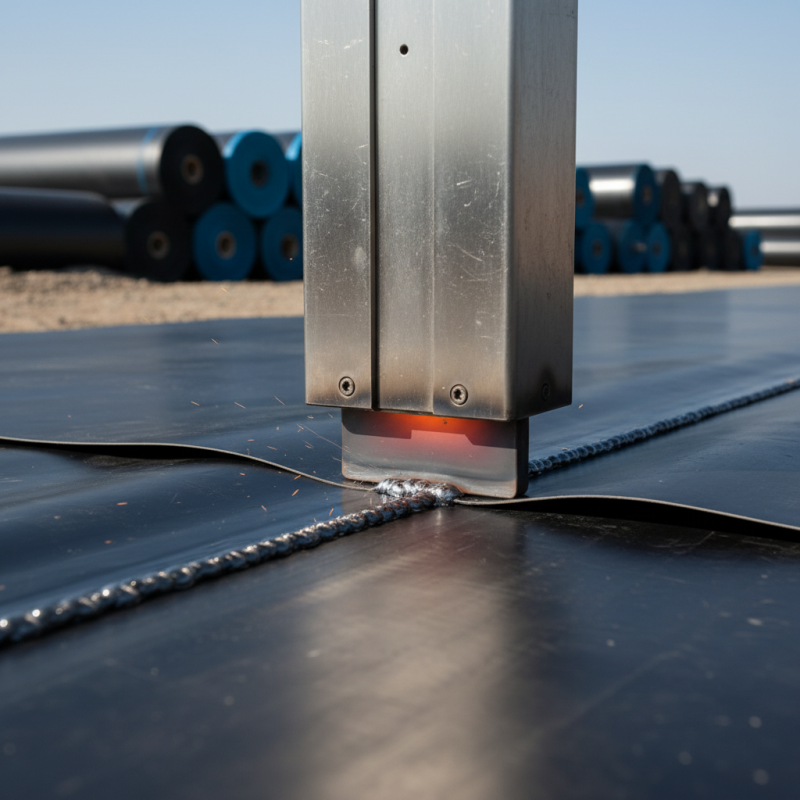
How to Choose the Best Geomembrane Welding Machine?
Choosing the best geomembrane welding machine is crucial for successful projects. With various types available, making a sound decision is not easy. It is important to consider several factors when selecting a welding machine.
For instance, think about the type of geomembrane you'll work with. Different materials require different welding techniques. The machine's compatibility affects the quality of the welds. Also, consider the machine's efficiency. A more efficient machine can save both time and money.
Another aspect is the brand reputation. Some brands are known for durability and reliability. However, don't solely rely on reviews. Sometimes, user experiences can be misleading. Take the time to research or seek advice from professionals. A well-informed choice will lead to better results.
Factors to Consider When Selecting a Geomembrane Welding Machine
When selecting a geomembrane welding machine, several factors should be considered. The machine's efficiency is crucial for productivity. It should perform well under different conditions. Look for a machine that offers versatility. The ability to weld various geomembrane types can save time and money.
Tips: Check the machine's specifications carefully. Ensure it meets your project's requirements. Look for features like adjustable temperature and speed controls. These will help you adapt to different materials and thicknesses.
Another important factor is portability. Some projects require moving the machine to various locations. A lightweight and compact design can make transportation easier. Don't forget about user-friendly features. Machines with clear interfaces and easy controls lead to fewer mistakes.
Tips: Make sure to test the machine if possible. Understand how it operates before committing to a purchase. Consider the maintenance needs as well. Frequent maintenance can be a burden, so choose wisely. Overall, balancing these factors can significantly impact your project's success.
Types of Geomembrane Welding Machines Available on the Market
When choosing a geomembrane welding machine, it's essential to understand the different types available. There are primarily three types: hot wedge, hot air, and extrusion welders. Each design serves unique applications and varies in complexity.
Hot wedge machines are popular for their speed and precision. They use a heated wedge to melt the geomembrane materials, creating strong seams. However, they may require skilled operators, which can lead to inconsistencies.
Hot air welders are versatile and can handle various materials. They use hot air to fuse layers together. The process can be slower, and results may vary based on operator technique. Extrusion welders, on the other hand, offer a robust solution for thicker membranes. These machines feed a plastic rod into the welding area, which can be difficult to control. Proper training is critical for success with this type.
Choosing the right machine should involve consideration of project needs. Each type has its advantages and challenges. Think about specific applications, material types, and the required skill level for operators.
Key Features to Look for in a Welding Machine
When choosing a geomembrane welding machine, focus on its key features. The welding process must be reliable and efficient. Look for machines that offer adjustable speeds. This allows you to adapt to various thicknesses and materials. A consistent weld is critical for durability.
Heat control is another vital aspect. Ensure the machine provides precise temperature settings. Too much heat can damage the geomembrane. Too little won't create a strong bond. Check if the machine has overheating protection. This can prevent costly mistakes.
**Tip:** Always test the machine with scrap materials. It helps you understand its capabilities. Familiarize yourself with the settings before starting a project. Clarity in operation can save you time and materials.
Durability is equally important. Inspect the build quality of the machine. A sturdy design minimizes wear and tear. Keep in mind, mobility is essential if projects vary in location. Consider how easy it is to transport the welding machine.
**Tip:** Regular maintenance checks can extend the machine's life. Look out for worn parts that could affect performance. Investing time in care can pay off greatly.
Choosing the right features enhances your overall experience. A balanced approach to these elements will yield the best results.
How to Choose the Best Geomembrane Welding Machine? - Key Features to Look for in a Welding Machine
| Feature | Description | Importance |
| Heating Method | Indicates the method used for welding (hot air, extrusion, etc.) | Critical for material compatibility and weld strength |
| Welding Speed | Speed at which the machine can weld seams | Affects productivity and project timelines |
| Control Features | The type of controls for adjusting temperature and speed | Essential for precision welding and repeatable results |
| Portability | Weight and ease of transport of the machine | Important for use in various job sites |
| Durability | How well the machine withstands wear and tear | Crucial for long-term operational efficiency |
| Power Source | Type of power source required (electric, diesel, etc.) | Influences operational cost and availability |
Comparison of Popular Brands and Models for Geomembrane Welding
When selecting a geomembrane welding machine, comparing different brands and models is crucial. Not all machines perform equally well in various conditions. Some are better suited for thicker materials, while others excel in speed. Consider the type of projects you will undertake. For instance, larger scale projects might require machines with higher output capacities. Additionally, portability can be important if jobs are on-site.
A well-rounded machine typically features adjustable temperature and speed settings. This allows for better control during the welding process. Look for features such as digital displays, which offer more precise settings than their analog counterparts. While some models may seem user-friendly, they often lack advanced features. Reflect on how much time you can afford to invest in training. Machines that appear simple might hide complexities that become evident over time.
It's also helpful to research the durability and maintenance of each model. Some machines require frequent servicing, while others are more robust. While a lower upfront cost may seem appealing, consider the long-term expenses. Extra costs often arise due to repair needs or operational inefficiencies. Finding the right balance between cost and performance is essential for ongoing projects. A careful assessment of these factors can lead to a more satisfactory choice.
Maintenance and Support Considerations for Welding Equipment
When selecting a geomembrane welding machine, considering maintenance and support is crucial. Regular maintenance ensures the efficiency and longevity of the equipment. According to the Geosynthetics Institute, proper upkeep can increase operational lifespan by up to 30%. This makes it important to create a routine checklist for inspections and minor repairs.
Support services play a vital role in maximizing a welding machine's potential. Quick access to technical support can minimize downtime. A study from the International Geosynthetics Society indicates that machinery with robust customer support can lead to a 25% increase in productivity. Choosing equipment that comes with reliable support means less time troubleshooting and more time completing projects.
However, not all machines excel in this area. Some may lack adequate service networks, leaving users in a lurch when issues arise. Additionally, training for operators is often overlooked. Without proper training, even the best machines can underperform. This is an area that requires careful consideration. Evaluating both the machine's specifications and the support services will lead to better decision-making.