How to Perform Effective Print Inspection for Quality Control?
Effective Print Inspection is crucial in ensuring the quality of printed materials. It involves closely examining prints for defects and inconsistencies. This process helps maintain standards in various industries, from packaging to publishing.
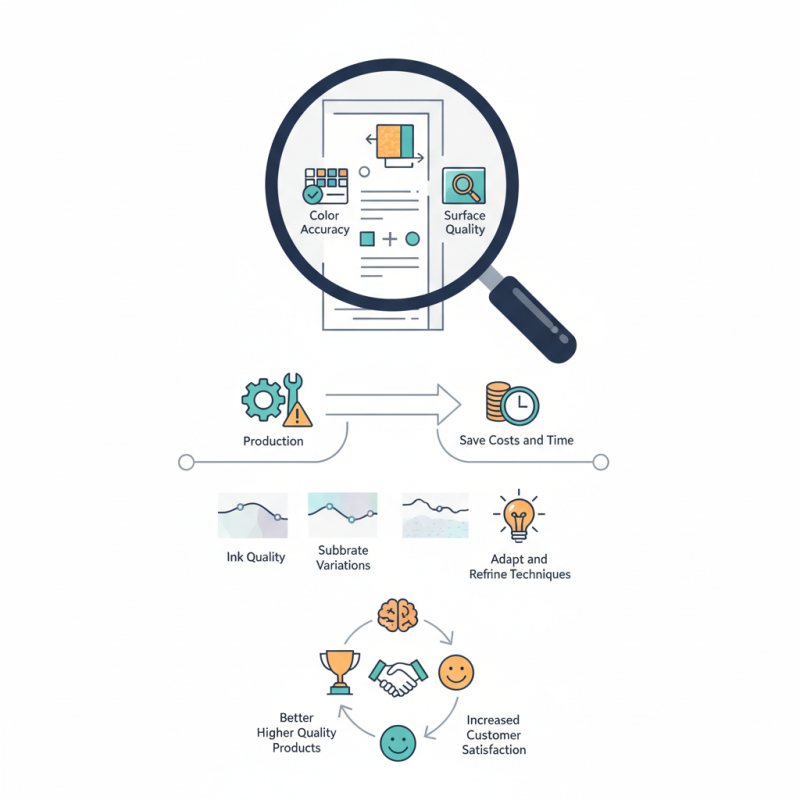
In print inspection, attention to detail is vital. Inspectors should look for color accuracy, alignment issues, and surface quality. Minor mistakes can lead to significant warnings during production. Having a method in place can save costs and time.
However, challenges persist. Variations in ink quality and substrate can impact results. Inspectors must adapt and refine their techniques regularly. Continuous improvement is necessary for effective print inspection. This will lead to better results, higher quality products, and increased customer satisfaction.
Understanding the Importance of Print Inspection in Quality Control
Print inspection is crucial in maintaining quality control across various industries. It ensures that products meet strict standards. According to a report by the Packaging Industry Association, 78% of consumers consider product appearance essential. Flaws in print quality can lead to negative perceptions. A mere 2% error rate in printed packaging can result in thousands of dollars in losses.
The process involves checking color consistency, registration, and surface quality. Many companies overlook the need for consistent inspection routines. A study conducted by Quality Management Journal indicates that failing to conduct thorough inspections can result in up to 30% of products being sent back. This not only affects profits but also damages brand reputation.
Effective print inspection requires skilled personnel and the right tools. Automated systems can help, but they are not infallible. Regular training is essential to ensure that employees can identify imperfections accurately. The human element is still needed to catch issues that machines might miss, highlighting the importance of a balanced approach. Without proper focus on these areas, businesses risk stagnation and losing competitive advantage.
Key Print Inspection Techniques and Technologies
Effective print inspection is crucial for ensuring product quality. Several techniques and technologies can enhance this process, allowing companies to achieve better standards. Visual inspection remains a staple method. Trained inspectors can identify color discrepancies or print defects. However, human error is a concern. Fatigue can lead to missed issues, resulting in costly mistakes.
Automated inspection systems are gaining popularity. These technologies use cameras and sensors to detect defects. They analyze print quality at high speeds. However, the initial setup can be complex. Adjusting the parameters may take time and experience. Sometimes, these systems can misinterpret minor imperfections as failures. This can cause unnecessary rejections.
Another technique is spectral analysis. This method assesses color consistency across batches. It can highlight variations that might escape the eye. But it requires sophisticated equipment and trained personnel. In some cases, the cost of equipment may outweigh the benefits. Therefore, companies must evaluate their needs carefully. Balancing technology and human insight is key.
Industry Standards for Print Quality Assessment
When assessing print quality, adhering to industry standards is essential. Quality benchmarks help maintain consistency and reliability. Various standards exist, including ISO 12647, which focuses on color accuracy and consistency. This standard challenges printers to attain specific color densities and tonal ranges. Yet, many struggle with these requirements.
During inspections, visual evaluations often reveal imperfections. Small scratches or color variations may go unnoticed in the printing process. Regularly calibrating equipment can help, but it’s not a foolproof solution. It’s crucial to incorporate additional tools, such as spectrophotometers, for precise measurements. Still, reliance on technology can lead to oversights in human judgment.
Awareness of material quality also plays a role. Paper type and ink consistency impact the final product. Misalignment can spoil an otherwise perfect print. Inspectors should document any discrepancies for further analysis. This continuous evaluation fosters improvement, despite the challenges encountered in real-world applications. Each print run is an opportunity to learn and adapt.
Common Defects in Print Production and Their Impact
Print production is a complex process, and common defects can greatly affect quality. A recent industry report states that up to 30% of printed materials may show some form of defect. Misregistration, color inconsistencies, and smudging rank high among these issues. Misregistration occurs when the colors do not align correctly, leading to blurred images. This can result in customer dissatisfaction and potential loss of sales.
Color inconsistencies often arise from improper calibration of printing machines. A study indicated that nearly 25% of color-related complaints stem from inaccuracies in color matching. This can significantly impact brand perception, as colors are critical to brand identity. Furthermore, smudging can occur during handling or due to inadequate drying time. In fact, about 15% of print quality problems are linked to this issue. It's crucial to analyze these defects to prevent recurring problems.
Despite advanced technology, human error still plays a role in print production. Every process requires vigilant inspection. Regular training for staff on quality control principles is essential. A systematic inspection approach can help identify and address these concerns early in the production line. Continuous improvement should focus on reducing defect rates and ensuring high-quality output.
How to Perform Effective Print Inspection for Quality Control? - Common Defects in Print Production and Their Impact
| Defect Type | Description | Impact on Quality | Potential Causes | Recommended Solutions |
| Color Mismatch | Inconsistency in color output compared to the original design. | Can lead to poor brand representation and customer dissatisfaction. | Pantone color inconsistency, incorrect printer settings. | Use calibrated monitors and printers, conduct color proofs. |
| Blurriness | Loss of sharpness and clarity in printed images or texts. | Affects readability and overall appearance of the print. | Low resolution files, improper printer maintenance. | Ensure high-resolution files and regular printer servicing. |
| Ink Smudging | Unintentional smears of ink on the printed surface. | Damages the printed piece and can be unprofessional. | Inadequate drying time, dirty rollers. | Improve drying times and maintain clean printing equipment. |
| Paper Wrinkles | Visible wrinkles or creases on the printed paper. | Impacts the physical quality and perception of the print. | Improper feeding, humidity issues. | Optimize paper feed and control humidity in the environment. |
| Registration Issues | Misalignment of colors during the printing process. | Results in blurred images and misprinted text. | Setup errors, worn printing plates. | Regular checks and adjustments to printing setups. |
Best Practices for Implementing Print Inspection Processes
Effective print inspection is crucial for maintaining high-quality standards in the production process. Recent industry reports indicate that poor print quality can result in about 30% of production waste. Therefore, implementing robust inspection processes can save costs and improve overall efficiency.
Incorporate key best practices into your print inspection process. First, develop a checklist that outlines critical elements such as color accuracy, alignment, and text clarity. Studies show that 85% of print defects can be detected through systematic checks. This proactive approach reduces the chance of overlooking errors. Additionally, consider utilizing automated inspection systems. These systems can handle large volumes of prints, ensuring a consistent quality that manual checks often miss.
However, not all inspection processes are foolproof. There can be a tendency to overlook minor flaws during routine checks. It's essential to regularly reassess inspection criteria to align with evolving industry standards. Implementing feedback loops among the production team can also spark valuable discussions about quality. Embrace these reflections for continuous improvement in your inspection strategy.