Are Farrowing Cages Essential for Modern Pig Farming?
In the modern pig farming industry, the use of Farrowing Cages is a topic of considerable debate. According to the latest report from the Food and Agriculture Organization (FAO), animal welfare is becoming increasingly prioritized by consumers and regulators alike. Farrowing cages have been a tool for farmers to protect piglets, ensuring their survival rates exceed 90%. Yet, they present challenges too.
Some studies indicate that these cages can limit sow movement, leading to stress. A report from the University of Queensland highlights that excessive confinement may hinder natural behaviors, raising ethical concerns. While Farrowing Cages can enhance productivity, they may also trigger discussions about animal rights and welfare standards. It's a complex issue that invites reflection.
Modern pig farming must balance efficiency with ethical considerations. Farmers face pressure to adopt practices that ensure both high yields and animal welfare. As industry standards evolve, the necessity of Farrowing Cages may need reevaluation. Decisions should incorporate not only productivity metrics but also the wellbeing of the animals involved.
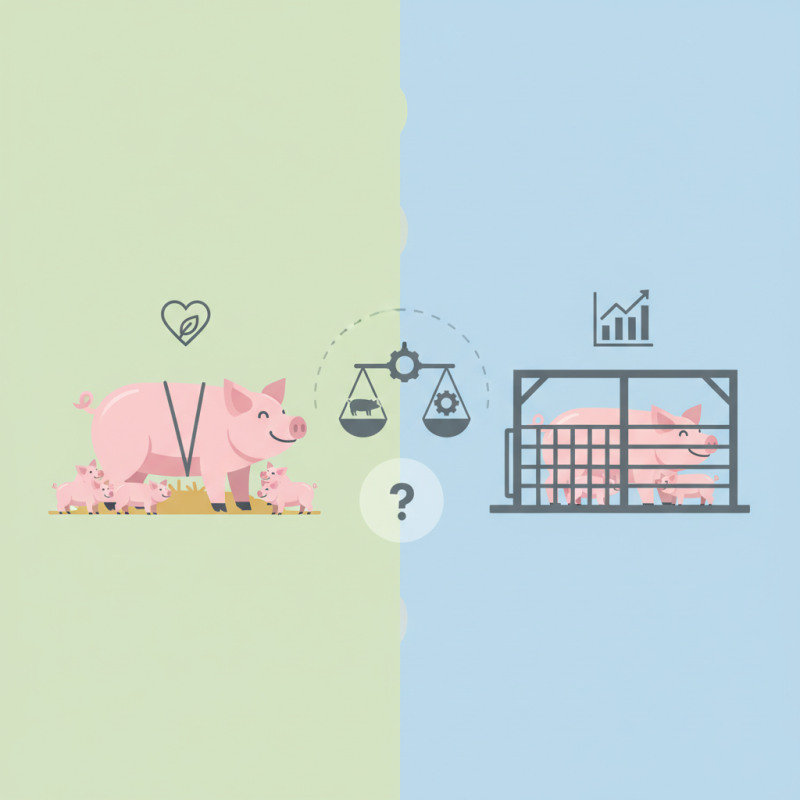
Overview of Farrowing Cages and Their Purpose in Pig Farming
Farrowing cages are widely used in the pig farming industry. Their primary purpose is to provide a safe and controlled environment for sows during the farrowing process. These cages help prevent injuries to piglets, improving survival rates. Research shows that piglet mortality could be as high as 20% without proper management. This statistic highlights the significance of these cages in modern farming.
Despite their benefits, the use of farrowing cages raises ethical questions. Critics argue that cages restrict the natural behaviors of sows. Sows often display nesting behaviors that are hindered by confinement. A report from the World Animal Protection organization indicates that sows in loose housing systems exhibit significantly lower stress levels. Farmers must weigh the benefits of higher survival rates against animal welfare concerns.
In addition, farrowing cages may not be suitable for all farming operations. The initial investment and upkeep costs can be substantial. A study by the Animal Welfare Institute highlights that farmers should explore alternative systems, like group housing, to balance productivity and animal well-being. Engaging in ongoing discussions about the best practices for pig farming is crucial. This approach can lead to more sustainable methods while ensuring the welfare of the animals involved.
Benefits of Using Farrowing Cages for Sow and Piglet Welfare
Farrowing cages are a topic of debate in modern pig farming. These enclosures provide a controlled environment for sows during farrowing. They help prevent piglets from being accidentally crushed by their mothers. This safety feature is crucial for both sow and piglet well-being. The risk of injury is reduced in a defined space.
However, some critics argue that farrowing cages limit the natural behaviors of sows. They restrict movement and can lead to stress. Balancing the needs of animal welfare with farming efficiency is not straightforward. Farmers must consider the emotional and physical needs of their animals.
Tips: Focus on proper cage design. Ensure that the cage allows some movement while providing safety. Regularly monitor the sows' stress levels. Provide enrichment activities to keep them engaged. Create a comfortable environment that promotes natural behaviors, even within the constraints of confinement.
Incorporating these practices can enhance the welfare of sows and piglets. Continuous reflection on farming practices is necessary. Adopting a mixed approach may yield better outcomes for both productivity and animal health.
Alternatives to Farrowing Cages in Modern Pig Farming Practices
Farrowing cages are often seen as a standard in pig farming. Yet many farmers are exploring alternatives that may promote better welfare for sows and piglets. A recent study indicated that 70% of pig producers are reconsidering the use of these cages, citing animal welfare concerns. Moving towards more open housing systems allows sows to express more natural behaviors. This can lead to healthier, more productive animals.
One promising alternative involves using free farrowing systems. These setups give sows more space to move and nest. Research shows that these systems can reduce stress in sows, leading to increased milk production. Studies indicate that piglets raised in less restrictive environments have better survival rates. Some farmers report that implementing these systems has improved overall productivity by 15%.
Tip for farmers: When transitioning to free farrowing systems, start small. Test the approach with a limited number of sows. Monitor their health and productivity before full implementation. Reflect on the challenges encountered during this transition. It may require adjustments and patience to achieve the best outcomes.
Another option is to use group housing with designated farrowing areas. Group housing encourages social interaction among sows, which can enhance their welfare. However, this method may come with challenges such as managing aggression. Each approach requires thoughtful consideration to balance animal welfare with production goals. It's essential to evaluate the impacts regularly and adapt practices to achieve sustainable pig farming.
Controversies Surrounding the Use of Farrowing Cages
Farrowing cages have sparked significant debate in modern pig farming. These enclosures, designed to prevent sows from laying on their piglets, are viewed by some as essential for protecting young animals. However, many animal welfare advocates argue that these cages restrict natural behaviors. Sows confined in these small spaces often exhibit signs of stress and frustration.
Critics highlight the need for more humane alternatives. They suggest free-access pens as a viable solution that allows animals greater freedom. In these setups, sows can move around and care for their piglets more naturally. Nonetheless, farmers express concerns about the increased risk of piglet mortality in less controlled environments. This points to a complex balancing act: ensuring piglet safety while addressing animal welfare concerns.
The controversies remind us of the evolving landscape of livestock management. Questions about ethical practices resonate deeply within the farming community. As research continues, the industry faces pressure to find solutions that meet welfare standards while also being economically viable. Each approach comes with its own challenges that warrant careful consideration.
Future Trends and Developments in Pig Farming Technologies
The future of pig farming lies in integrating modern technologies that prioritize animal welfare and efficiency. Innovations like precision feeding systems can optimize nutrition, reducing waste and improving growth rates. Data analytics can track pig health, allowing for early disease detection. These advancements enhance farm management, but they also come with challenges, such as the need for farmer education and investment.
Automation is another promising trend. Automated farrowing systems may promote better welfare, providing comfort for sows and piglets. However, reliance on technology raises concerns about dependency and the potential loss of traditional skills. Farmers must balance tech adoption with maintaining hands-on practices.
Sustainability is becoming crucial in pig farming. Technologies that reduce carbon footprints—like methane digesters—are gaining traction. Yet, implementing these solutions can be complex. Farmers must consider financial, operational, and ethical implications. The evolution of pig farming technology is exciting but requires careful thought and consideration.