What is a Powder Packaging Machine and How Does it Work?
In the rapidly evolving world of packaging technology, the powder packaging machine stands out as a crucial innovation. Experts like Dr. Emily Tan, a leading specialist in automated packaging systems, emphasize its importance. She once noted, “The efficiency of a powder packaging machine can redefine production standards.” This speaks volumes about how these machines are reshaping industries.
Powder packaging machines are designed to handle various powdered products. They ensure precise filling, sealing, and labeling. These machines improve production speed and minimize waste. However, not all machines are perfect; some may struggle with humidity-sensitive powders. Users must consider their specific needs and potential machine limitations carefully.
Understanding how a powder packaging machine works can seem daunting. Yet, with the right knowledge, overcoming challenges is possible. The machine's internal mechanisms, like augers and sensors, play vital roles. Learning about these parts can enhance operations and prevent errors during packaging.
Understanding Powder Packaging Machines: Key Components and Functions
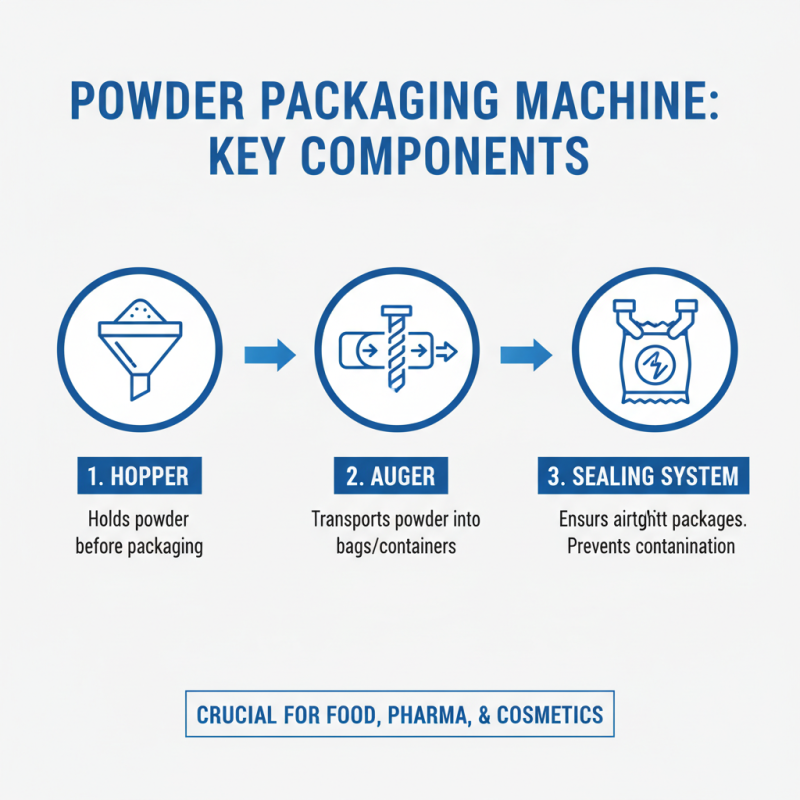
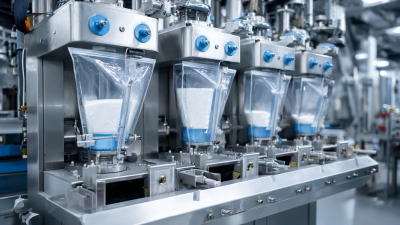
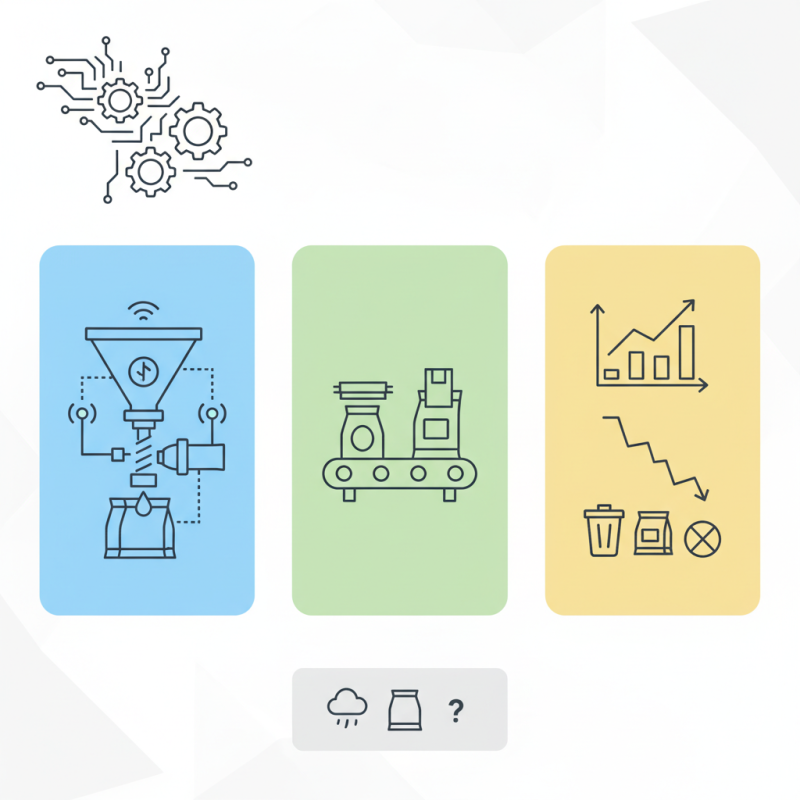
Powder packaging machines play a crucial role in various industries such as food, pharmaceuticals, and cosmetics. Understanding their key components helps ensure efficiency in the packaging process. Common components include hoppers, augers, and sealing systems. Hoppers hold the powder before it's packed, while augers transport it into bags or containers. Sealing systems ensure that packages remain airtight and prevent contamination.
Using these machines requires careful calibration. The flow rate must be adjusted based on the powder's properties. For instance, fine powders may require a different setting than coarser ones. This precision is vital. Poor adjustments could lead to spillage or inaccurate weights.
Tips: Regular maintenance is essential to keep machines running smoothly. Inspect parts regularly for wear and replace them as needed. Also, conduct routine tests to ensure packaging quality. Small changes can have significant impacts. A poorly sealed bag could compromise product integrity. Being proactive can save time and resources in the long run.
Types of Powder Packaging Machines: An Overview of Common Models
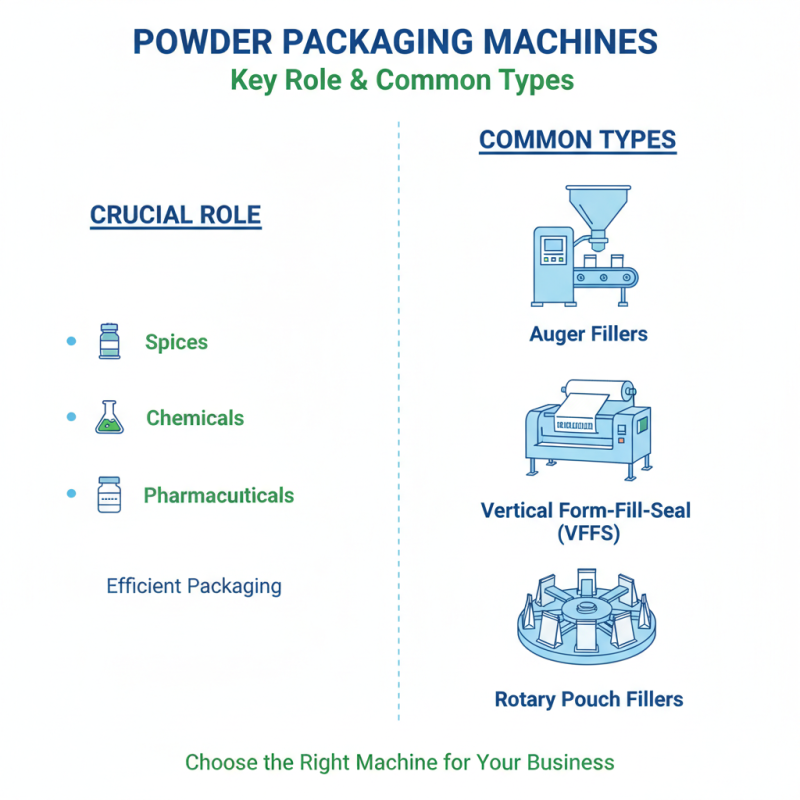
Powder packaging machines play a crucial role in various industries. They can efficiently package powders like spices, chemicals, and pharmaceuticals. Understanding the common types can help businesses choose the right machine for their needs.
There are several types of powder packaging machines. Auger fillers are popular for their precision. They fill bags with accurate weights of powders, ensuring quality. VFFS (Vertical Form Fill Seal) machines are versatile. They create bags and fill them in a single process. These machines can handle different powder sizes and textures.
According to a recent industry report, demand for powder packaging machines is rising. The market is projected to grow by 5.5% annually through 2026. However, not all machines can meet every specification. Some may struggle with sticky powders or fine particles. In such cases, modifications are necessary. These adjustments often require an expert's insight to prevent inefficiencies. Industries should weigh these factors carefully before investment.
Operation Mechanism of Powder Packaging Machines: Step-by-Step Process
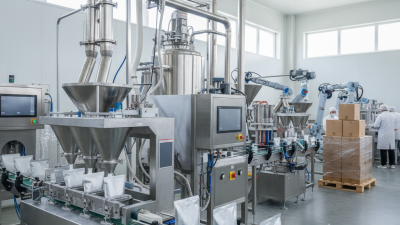
The operation mechanism of powder packaging machines is intricate yet fascinating. These machines typically automate the process of filling, sealing, and coding powdered products. They enhance efficiency and ensure accuracy, which is crucial for businesses. According to recent industry reports, the powder packaging market is projected to grow by approximately 7% by 2027. This growth reflects the increasing demand for powdered goods in various sectors, including food, pharmaceuticals, and chemicals.
The step-by-step process begins with the feeding of powder into the machine. This powder is then weighed using sophisticated scales to ensure precision. After weighing, the powder enters a filling station, where it is dispensed into bags or containers. Sealing follows, which guarantees product integrity and freshness. It’s essential to achieve the right seal to prevent contamination. Interestingly, many machines still face challenges with sealing inconsistencies, and this can lead to product waste.
Lastly, the machine often includes a coding or labeling section to provide essential information about the product. However, errors in coding can occur, leading to confusion and potential product recalls. This highlights the importance of regular maintenance and technology upgrades. The efficiency of these machines is impressive, but they are not without flaws that require careful monitoring and ongoing improvements.
Industry Applications: Where Powder Packaging Machines are Most Utilized
Powder packaging machines play a crucial role in various industries. They are widely used in food and beverage, pharmaceuticals, and chemical sectors. According to a recent industry report, the global powder packaging market is projected to grow at a CAGR of 5.3% from 2021 to 2028. This growth highlights the increasing demand for efficient packaging solutions.
In the food and beverage industry, powder packaging machines handle products like spices, milk powder, and coffee. Proper automation can enhance efficiency, but errors in calibration can lead to waste. The pharmaceutical industry utilizes these machines for packaging powdered medications. Accurate dosing is essential, as inaccuracies can impact patient safety. One study indicated that up to 10% of pharmaceutical packaging errors stem from machine malfunctions.
Additionally, the chemical industry relies on powder packaging for materials such as detergents and fertilizers. The need for robust sealing mechanisms is vital, yet many machines still struggle with moisture control. This challenge can compromise product integrity. Regular maintenance and updates are necessary for optimal performance, but many facilities overlook these aspects.
Market Trends: Current Innovations and Future Outlook in Powder Packaging
The powder packaging industry is experiencing significant innovations, driven by the rise of automation and smart technology. According to a recent report by MarketsandMarkets, the global powder packaging market is projected to reach $4.1 billion by 2025, growing at a CAGR of 4.6%. This growth is largely influenced by advancements such as augmented reality and IoT integration, which enhance efficiency and reduce human error.
Emerging trends highlight the need for eco-friendly packaging materials. Many companies now focus on sustainable options, which respond to consumer demand for greener products. A study by Smithers Pira shows that sustainable packaging could account for 25% of the overall market by 2026. However, the challenge remains for manufacturers to balance eco-friendliness with cost-effectiveness and product safety. Innovations in bioplastics and recycling technologies offer promising solutions but may require further investment and development.
Another critical aspect is the adaptability of powder packaging machines. They must handle various powders, such as food ingredients, pharmaceuticals, and chemicals. This adaptability is crucial, yet it presents challenges in maintaining product integrity. While some machines perform well with specific powders, others struggle with consistency in packaging. Continuous improvement in machine design is necessary to address these issues while keeping up with market demands.
What is a Powder Packaging Machine and How Does it Work? - Market Trends: Current Innovations and Future Outlook in Powder Packaging
| Feature |
Description |
Current Trends |
Future Outlook |
| Machine Type |
Vertical and horizontal form-fill-seal machines |
Increasing use of automation |
Integration of IoT for smarter operations |
| Materials |
Plastic, aluminum, and composite materials |
Focus on sustainability and recyclability |
Development of biodegradable materials |
| Efficiency |
High-speed packaging capabilities |
Adoption of high-efficiency machinery |
Emergence of AI and machine learning for optimization |
| Safety Features |
Built-in sensors and fail-safes |
Enhanced safety regulations and compliance |
More advanced safety technologies |
| Customization |
Flexible design for various powder types |
Rising demand for personalized packaging solutions |
Greater customization options with digital printing |