What Is a Powder Packaging Machine and How Does It Work?
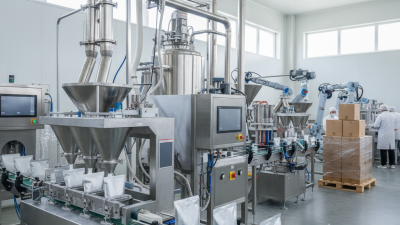
A powder packaging machine measures and fills dry products into bags, pouches, jars, or other containers. It may handle flour, spices, protein blends, or powdered drink mixes. The right machine keeps portions consistent and helps limit spills. Yet powder is not simple to control. Fine particles can drift, cling to surfaces, or compact inside a hopper.
“Accurate filling starts with understanding how the powder behaves, not just how fast the machine runs,” says Jordan Lee, a fictional packaging engineer created for this introduction. This illustrative quotation is not a verified statement from a real industry expert. For publication, replace it with a sourced comment from a named specialist.
Most systems move product from a hopper into a dosing unit, such as an auger or volumetric cup. Sensors and controls help coordinate filling, while sealing components close each package. The exact process varies with particle size, flowability, target weight, and packaging format. A powder that pours freely may need different settings from one that clumps or produces dust. Small details matter.
This guide explains the main machine types, their working steps, and the features buyers should compare. It also considers cleaning, accuracy, and routine maintenance. No single setup suits every product. That is worth remembering before choosing equipment.
Definition of a Powder Packaging Machine
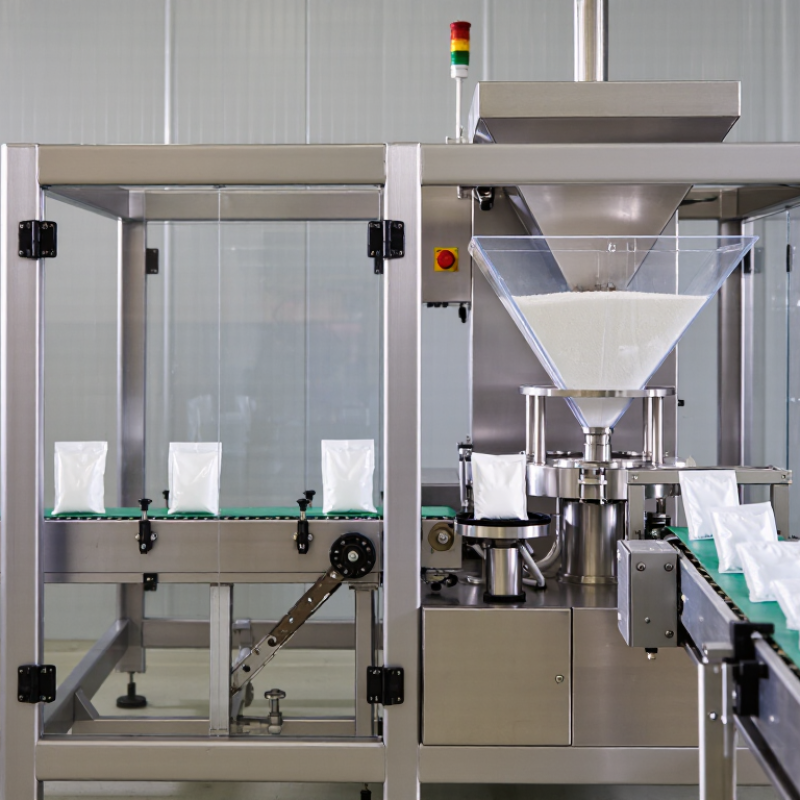
A powder packaging machine is equipment designed to measure and place powdered materials into containers or packages. These may include pouches, jars, cans, or bags. The machine helps control the amount dispensed and supports a repeatable filling process. In a typical setup, powder moves from a hopper through a dosing unit and into an open package.
The dosing unit may use an auger, cup, or another mechanism suited to the powder’s texture. An auger, for example, rotates to deliver measured portions through a filling tube. Sensors and controls can coordinate filling with package positioning, while sealing components close flexible packages afterward. It is a practical system.
Powders do not all behave alike. Fine, dry material may flow differently from a coarse or slightly clumping blend, so machine settings and contact surfaces matter. Operators often check fill weights, inspect seals, and clean product-contact parts between runs. Small variations can affect results. A machine’s accuracy also depends on calibration, maintenance, and consistent material flow; it should not be treated as a guarantee of identical packages under every condition.
Main Components of a Powder Packaging Machine
A powder packaging machine combines several coordinated components to measure, fill, seal, and discharge products. The hopper stores the powder above the filling system. Its sloped walls help material move downward, although sticky powders may still form bridges. A level sensor monitors the supply and signals when refilling is needed.
The dosing system controls product quantity. Auger screws are common because their rotation can deliver measured volumes into containers or pouches. Servo motors provide precise movement, while load cells check weight during operation. The forming collar shapes packaging film around the product tube. Pull-down belts move the film, and heated sealing jaws close the package. A control panel connects these functions. It allows operators to adjust filling speed, sealing temperature, and cycle timing. Small timing errors can create weak seals or inconsistent weights. This is where practical inspection matters.
Tips: Keep the hopper clean and avoid overfilling it. Check auger alignment before production. Test several packages at the beginning of each run. Watch for powder dust around sensors, because buildup can cause false readings. Sealing temperature also deserves attention. Too little heat may leave open edges, while excessive heat can wrinkle the film. In real facilities, powder behavior changes with humidity and particle size. No setting works perfectly forever. Operators should record results, review rejected packages, and adjust carefully rather than changing several parameters at once. Calibration should follow the machine manual and relevant packaging requirements.
What Is a Powder Packaging Machine and How Does It Work?
Main Components of a Powder Packaging Machine
A powder packaging machine measures, fills, forms, seals, and cuts packaging material. The chart shows a typical operating sequence and the main component involved at each stage. Actual machine layouts may vary according to the powder characteristics, package format, and dosing method.
How a Powder Packaging Machine Works Step by Step
What Is a Powder Packaging Machine and How Does It Work?
A powder packaging machine fills measured products into bags, pouches, or containers. It handles flour, spices, protein powders, and other dry, permitted materials. The process starts when an operator loads powder into the hopper. An agitator helps prevent bridging and uneven flow. A sensor monitors the material level. This small detail matters more than many beginners expect.
How a Powder Packaging Machine Works Step by Step
The machine first forms or positions the package beneath the filling tube. A screw auger, cup, or weigh system then controls the powder dose. The control system adjusts speed according to the target weight. After filling, the package moves to the sealing station. Heated jaws close the film and create a tight seal. A date or batch code may be added afterward. Finally, sensors check position, seal quality, and weight before release.
Powder behavior can change with humidity, particle size, and compaction. Technicians should test several cycles, not just one successful sample. Calibration must be recorded and repeated at planned intervals. Operators also inspect seals and clean contact surfaces between compatible products. Do not rush this step.
Tips: Keep the hopper below its maximum level during trials. Check actual weights manually at regular intervals. If dust increases, stop and investigate airflow, filling speed, and material condition. Machines can appear stable while producing gradual weight variation. That is where careful observation proves valuable.
Common Types of Powder Packaging Machines
Powder packaging machines fill measured amounts into pouches, bags, jars, or containers. Their design depends on powder flow, density, moisture, and dust behavior. A machine operator usually checks these properties before selecting equipment. Small differences can affect accuracy.
Auger filling machines are common for flour, spices, protein blends, and other fine powders. A rotating screw moves powder from a hopper into each package. Adjusting the screw speed and rotation length controls the dose. They provide good accuracy, but sticky powders may bridge inside the hopper. Gentle vibration can help, although too much vibration may increase dust.
Net weigh fillers measure powder by weight before release. They suit products with changing bulk density and larger target quantities. Load cells monitor the dose, while gates control powder flow. This method can be slower than auger filling. It is often worth the trade-off when weight consistency matters. Volumetric fillers measure powder by volume, making them simple and fast. However, density changes can create small weight differences.
Premade pouch machines and vertical form-fill-seal systems use filling units with sealing stations. The pouch format changes, but the filling principle remains similar. Vacuum-assisted systems can remove air from some packages and reduce loose powder. Operators must still manage filters, seals, and cleaning schedules. I have found that “dust-free” is rarely realistic. Better control usually comes from steady feeding, suitable extraction, and regular inspection. Calibration should be checked during production, not only at setup.
Factors to Consider When Selecting a Powder Packaging Machine
A powder packaging machine measures, fills, and seals dry products into bags, pouches, or containers. Its auger filler controls volume by rotating a screw inside a feed tube. Sensors then check the fill and trigger sealing. Powder is rarely uniform. Particle size, moisture, density, and static electricity can change performance quickly.
When selecting equipment, match the dosing method to the powder. Fine flour may require dust control and enclosed feeding, while free-flowing granules may need a faster auger system. Check the target weight, production speed, pouch dimensions, and acceptable filling tolerance. PMMI’s 2023 State of the Industry report placed North American packaging machinery shipments at about 10.6 billion dollars in 2022. That investment reflects rising automation needs, but speed alone can create waste. Grand View Research projects continued growth in powder packaging equipment through 2030, driven partly by food, nutrition, and pharmaceutical applications. Treat forecasts as direction, not proof. A factory trial matters more.
Tips: Request tests using your actual powder, not a substitute. Measure accuracy across several production hours. Inspect dust around the auger, seal jaws, and conveyor. Ask about tool-free cleaning, recipe storage, spare parts, and changeover time. Record real output after cleaning stops and operator adjustments. A machine can look efficient in a brochure, yet disappoint on a humid Tuesday.
What Is a Powder Packaging Machine and How Does It Work? - Factors to Consider When Selecting a Powder Packaging Machine
| Selection Factor | What to Assess | Practical Guidance | Why It Matters |
|---|---|---|---|
| Powder flow properties | Flowability, bulk density, particle size, moisture sensitivity, and tendency to bridge, cake, or create dust. | Test the actual product under production conditions. Free-flowing powders may suit gravity or auger dosing; cohesive powders often need a well-matched auger and hopper agitation. | Powder behavior affects filling consistency, product waste, dust levels, and the risk of stoppages. |
| Filling accuracy | Target fill weight, allowable variation, checkweigher requirements, and how accuracy will be verified. | Specify the required tolerance at the intended fill weight and speed. Validate performance using the product, package, and operating settings planned for production. | Consistent dosing supports product quality, reduces giveaway, and helps meet applicable labeling and process requirements. |
| Dosing mechanism | Whether the machine uses an auger, cup, weigh-based system, or another dosing method. | Match the mechanism to the powder's flow characteristics, fill range, accuracy target, and required production rate. Confirm changeover and calibration procedures. | The dosing method influences accuracy, speed, product handling, and suitability for different powders. |
| Package format and size | Pouches, bags, jars, bottles, or other containers; package dimensions; opening style; and material compatibility. | Confirm that the machine can handle the full range of package sizes and materials. For pre-made packages, check opening, filling, and sealing performance with the actual pack. | Package design determines machine configuration, change parts, sealing method, and line layout. |
| Required output | Target packages per minute or hour, planned operating hours, and expected product or package changeovers. | Evaluate sustained output with the selected powder and package, not just a maximum rated speed. Account for feeding, sealing, inspection, and downstream equipment. | A balanced line avoids bottlenecks and helps ensure the machine can meet real production demand. |
| Dust control and containment | Dust generation, operator exposure, product loss, room conditions, and any site-specific containment requirements. | Review enclosure design, extraction connections, filling-point control, and cleaning methods. Determine whether a risk assessment or additional dust-control system is needed. | Effective control can improve housekeeping and worker protection while limiting contamination and material loss. |
| Cleaning and changeover | Product-contact surfaces, tool requirements, cleaning access, residue retention, and frequency of product changes. | Ask for a demonstrated disassembly and cleaning procedure. For allergen-sensitive or regulated production, assess the cleaning validation approach and applicable site standards. | Accessible equipment can reduce downtime and support hygienic operation and cross-contact controls. |
| Sealing and package integrity | Seal type, package material, powder contamination at the seal area, and required leak or seal-strength checks. | Run trials using production materials and powder. Confirm that the seal remains consistent at the intended speed and that product does not interfere with the sealing zone. | Reliable seals help protect contents during handling, storage, and distribution. |
| Controls and integration | Operator interface, recipe storage, alarms, data needs, and connection to feeders, conveyors, checkweighers, or other line equipment. | Define required signals, utilities, data records, and safety interlocks before installation. Check that operators can set up and troubleshoot the machine efficiently. | Clear controls and compatible interfaces simplify operation and reduce integration issues. |
| Maintenance and total cost | Routine service, wear parts, spare-part availability, training, installation, energy use, and expected downtime. | Compare lifecycle costs and service requirements, not purchase price alone. Confirm maintenance access, documentation, training, and support arrangements. | Serviceability and operating costs affect long-term productivity and the overall value of the equipment. |
Note: Machine capability and performance depend on the powder, package, operating conditions, and configuration. Confirm key requirements through product and package trials before selection.
Related Posts
-
2025 Guide: How to Choose the Right Powder Packaging Machine for Your Business
-
What is a Powder Packaging Machine and How Does it Work?
-
How to Optimize Your Food Packaging Process with Advanced Machine Technology
-
How to Choose the Best Lidding Film Machine for Your Packaging?
-
Key Factors to Identify Quality Manufacturers for the Best Bagging Machines
-
Ultimate Checklist for Selecting the Best Doy Pack Machine for Your Business