What Are the Top 10 Carry Out Box Suppliers in China?
Choosing a Carry Out Box supplier in China involves more than comparing unit prices. Buyers also need to assess material options, print quality, production capacity, communication, and sample consistency. A box may look sturdy in a product photo, yet arrive with weak corners or a lid that slips during delivery. Small details matter.
Packaging author Walter Soroka describes packaging as “the science, art, and technology of enclosing or protecting products for distribution, storage, sale, and use.” That broad definition is useful here. A dependable Carry Out Box must protect its contents, suit the food or product, and remain practical for staff to assemble. It should also match the buyer’s size, branding, and ordering needs. No single specification fits every business.
This guide introduces ten China-based suppliers and considers the details buyers can compare: product range, customization, stated quality controls, and export experience. These points can help narrow a shortlist, but they do not replace direct checks. Request current samples. Inspect the folds, seams, finish, and fit yourself. Ask how specifications are confirmed before production. Supplier information can change, and even a polished catalog may leave questions unanswered. That is worth admitting. Use the list as a starting point, then verify each company’s capabilities, pricing, lead times, and service against your own order requirements.
What Carry-Out Box Suppliers in China Manufacture
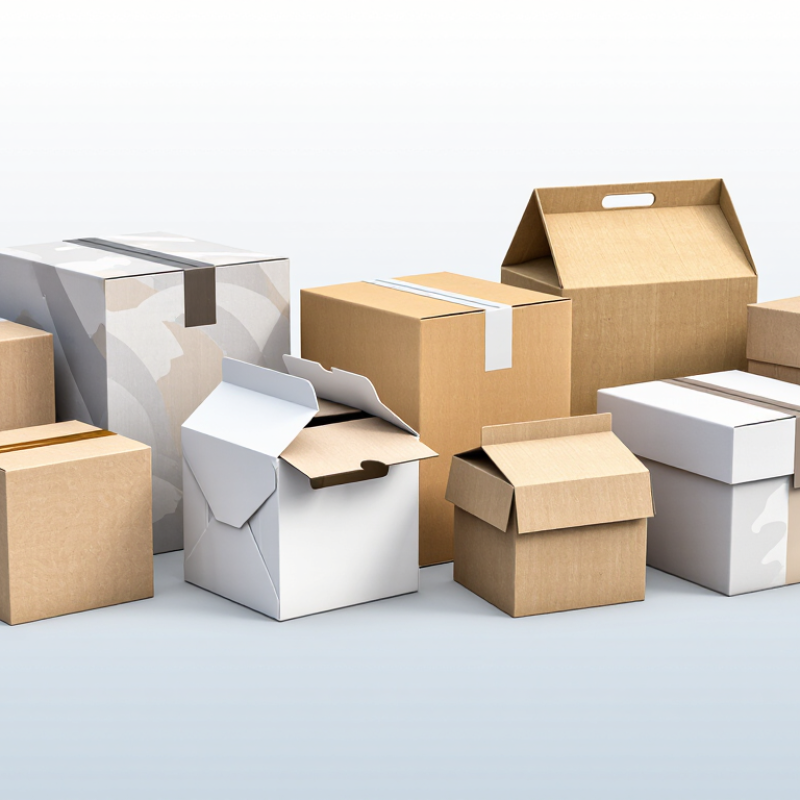
Carry-out box suppliers in China manufacture a range of containers for takeaway meals, bakery items, and prepared foods. Common products include folding paperboard boxes, hinged clamshells, compartment trays, and soup containers with separate lids. Some factories also make boxes from molded plant-fiber pulp. Material choice affects stiffness, heat tolerance, and how well a box handles oily food. Small details matter.
Manufacturers can adjust box dimensions, wall structure, closures, and compartment layouts to suit different menus. They may offer food-contact coatings, moisture barriers, or printed surfaces, depending on the product and production line. A flat-packed carton can save storage space, while a one-piece clamshell may be quicker to fill. Not every design works. A sample filled with hot food can reveal weak corners, loose lids, or awkward stacking before a large order is placed.
When comparing suppliers, buyers should ask what materials and finishes are actually made in-house. Request samples, production specifications, and clear information about quality checks. Check whether lids stay secure during handling and whether boxes arrive without crushed edges. Printed color can vary between batches; it is worth asking how consistency is monitored. A polished catalog is useful, but it cannot replace testing the actual box with the intended food and delivery routine.
How the Top 10 Suppliers Are Identified and Ranked
A credible ranking of China’s carry out box suppliers should start with evidence, not polished sales claims. Each supplier can be assessed against the same criteria: material consistency, box strength, leak resistance, printing accuracy, and available sizes. Reviewers should also examine food-contact documentation and quality-control procedures. These details affect daily use. A box that buckles under a warm meal may look fine in a catalogue but fail at delivery.
Production capacity, customization options, sample quality, communication, and lead-time reliability also shape the ranking. Whenever possible, request samples and compare their seams, lids, and surface finish under practical conditions. Factory visits or independent audits can add useful context, while customer references may help confirm service performance. Scores should reflect verified information, with each category weighted consistently. Still, rankings have limits. A supplier’s performance can vary by product line, order size, and season, so one score cannot tell the whole story.
Tips: Ask for recent samples and written specifications. Check whether quoted lead times include printing and packing. Keep notes from each comparison; small details are easy to forget. A transparent ranking should state its criteria and acknowledge gaps in available evidence.
Profiles of 10 Leading Carry-Out Box Suppliers in China
China’s carry-out box market includes paperboard converters, food-packaging specialists, and custom-printing plants. The China Paper Association’s 2023 industry report recorded 127.05 million tonnes of paper and paperboard production. That scale supports a wide supplier base, but it does not guarantee consistent box quality. Since company names are omitted, these ten profiles describe supplier capabilities rather than an independently audited ranking.
Profile 1: An integrated mill-linked supplier offers steady board availability. Profile 2: A food-packaging converter focuses on coated, grease-resistant cartons. Profile 3: A high-volume plant suits repeat orders and standardized sizes. Profile 4: A custom printer handles logos and short production runs. Profile 5: A molded-fiber producer offers alternatives to folding cartons. Profile 6: A regional workshop may provide faster local delivery. Profile 7: An export-oriented supplier typically has experience with shipping-ready packs. Profile 8: A design-led converter can develop prototypes for unusual meals. Profile 9: A multi-material supplier provides boxes, lids, and inserts together. Profile 10: A specialist in takeaway formats can refine venting and stacking details. A polished sample can still conceal weak seams.
Tips: Test boxes with hot, oily food; check stacking strength, minimum order quantities, and sample-to-production consistency before committing. Ask for current food-contact documentation.
Industry context: Paper and paperboard production in China rose from 112.60 million tonnes in 2020 to 129.65 million tonnes in 2023. Paperboard is one material used for carry-out packaging; these figures describe the wider industry, not individual suppliers.
Source: China Paper Association, Annual Report 2023.
Materials, Designs, Customization, and Production Capabilities
When comparing carry out box suppliers in China, start with the materials, not the catalogue photos. Paperboard boxes suit many dry meals, while coated or grease-resistant grades help contain oily foods. Ask for the board weight, coating details, and samples made from the same material as the quoted order. A box that feels sturdy when empty may soften under hot food or steam. Test it first.
Design affects both handling and delivery. Check whether lids stay closed, corners resist crushing, and boxes stack without sliding. For a practical trial, pack a typical meal and leave it for the expected delivery time. Look for leaks, soggy seams, and trapped condensation. Small vent holes can help some foods, but may reduce heat retention. The best design depends on the menu.
Customization can include dimensions, compartment layouts, printing, and paper finishes. Ask suppliers to confirm artwork requirements, color tolerances, and whether custom tooling adds cost or lead time. Production capabilities matter just as much: verify sample approval steps, order capacity, quality checks, and packaging methods. Request clear timelines for sampling and bulk production. Some details will still need a real-world test; a neat specification sheet cannot predict every kitchen’s workflow. Keep written records of approved samples and changes, since small revisions can alter fit or stacking.
| No. | Supplier profile | Typical materials | Common box designs | Customization options | Typical production capabilities | Key checks for buyers |
|---|---|---|---|---|---|---|
| 1 | Folding-carton converter | Food-grade paperboard; kraft or white board; coatings or barrier layers where specified | Clamshells, tuck-top boxes, lock-corner trays, window boxes | Printed artwork, dimensions, die-cut windows, grease-resistant treatment, inserts | Sheet printing, die-cutting, creasing, folding, and gluing; suited to branded paper packaging | Confirm food-contact suitability of the full structure, including inks, coatings, and adhesives. |
| 2 | Corrugated-packaging producer | Corrugated board with kraft or white liners and a fluted paper core | Takeout trays, delivery boxes, multi-item carrier boxes | Board grade, flute selection, box dimensions, printing, dividers, ventilation holes | Corrugating, flexographic or other printing, slotting, die-cutting, and box forming | Check compression and stacking performance, especially for delivery and heavier meals. |
| 3 | Bagasse molded-fiber producer | Molded fiber made primarily from sugarcane bagasse pulp | Hinged meal boxes, compartment trays, plates, bowls, lids | Compartment layout, shape, surface finish, color, optional barrier treatment | Pulp preparation, forming, drying, trimming, and stacking; tooling is product-specific | Test leak resistance, grease performance, heat-use suitability, and any compostability claims. |
| 4 | Other molded-pulp packaging producer | Recycled paper pulp or other specified plant-fiber pulp | Trays, fitted inserts, protective food carriers, hinged containers | Molded contours, compartments, thickness, color, surface texture | Molded-fiber forming and drying; complexity depends on tooling and finishing requirements | Request details on fiber composition, recycled content, odor, moisture resistance, and food-contact testing. |
| 5 | PP injection-molding producer | Polypropylene (PP), with resin grade selected for the intended use | Rigid hinged boxes, compartment containers, reusable-style food boxes | Molded size, lid fit, compartments, color, surface texture, labeling or decoration | Injection molding with dedicated tooling; suitable for repeatable rigid shapes | Verify resin and food-contact documentation; microwave or hot-fill use must be confirmed for the specific product. |
| 6 | Thermoformed-plastic producer | PET, PP, or other specified thermoplastic sheet | Clear-lid containers, shallow trays, compartmented food trays | Tray depth, compartments, lid fit, transparency, sheet thickness, color | Sheet heating, forming, trimming, and packing; tooling and material affect design options | Check the exact polymer, recycled-content disclosure where relevant, seal fit, and intended temperature range. |
| 7 | Aluminum-foil container producer | Formed aluminum foil with a lid or compatible closure where required | Roasting trays, meal pans, takeaway containers, compartment pans | Shape, dimensions, rim design, compartment layout, lid and printing options | Foil forming, trimming, stacking, and packing; products are generally lightweight and nestable | Confirm lid compatibility, gauge, handling requirements, and suitability for the intended oven or food-service use. |
| 8 | Barrier-coated paper packaging producer | Paperboard or paper with a specified grease- or moisture-resistant barrier | Fried-food boxes, sandwich packs, bakery cartons, lined meal boxes | Barrier type, print, box structure, venting, window, size, closure style | Coating or lamination combined with printing, die-cutting, and carton converting | Ask what the barrier is made of and how the finished package should be sorted or disposed of locally. |
| 9 | Compostable-material packaging specialist | Specified compostable polymers or coated fiber structures, depending on product design | Lids, trays, cups, and selected takeout box formats | Material formulation, dimensions, color, printing, and closure design | May use thermoforming, molding, or paper converting, depending on the material | Treat compostability as a claim requiring evidence for the finished product and the relevant disposal environment. |
| 10 | Multi-material packaging integrator | A selected combination of paperboard, molded fiber, plastic, or foil from qualified production partners | Coordinated meal-box sets, trays with lids, multi-part delivery packaging | Packaging set design, coordinated dimensions, artwork, labeling, and consolidated packing | May coordinate multiple processes or factories; production capability depends on the nominated manufacturer for each component | Identify the actual manufacturing sites and verify that specifications and quality controls are consistent across components. |
How to Compare Suppliers on Quality, Compliance, and Delivery
When comparing China’s carry-out box suppliers, ask for evidence tied to the exact box you will buy. Check material thickness, rim strength, leak resistance, and performance with hot, oily food. Request samples from a normal production run, not just a polished prototype. Details matter. Ask how defects are recorded and what happens when a batch fails inspection. A certificate alone is not enough; confirm its scope, date, and connection to the supplied material. OECD’s Global Plastics Outlook reports that packaging accounted for 40% of global plastic waste in 2019. That figure makes material choices and traceability worth checking, even when the box is designed for a single meal.
For compliance, request food-contact test reports that match the material, color, and intended use, plus lot-level records. Confirm requirements for your destination market with a qualified specialist; a supplier’s general assurance may miss important details. For delivery, compare quoted lead times with recent order records, monthly capacity, and plans for delays. The World Bank’s 2023 Logistics Performance Index ranked China 19th among 139 economies. Useful context, not proof of one factory’s reliability. Ask for on-time delivery data and a realistic production calendar. I would also check whether a supplier can explain a late shipment plainly; polished answers are not always the most useful ones.