
CALL US 770-248-9089

Top Seaweed Extract Fertilizer Suppliers Worldwide

Seaweed Extract Fertilizer is used in crop programs seeking to support plant growth and soil management. Products vary in seaweed species, extraction methods, concentration, and formulation. A liquid concentrate may suit fertigation systems, while a soluble powder can be easier to store and ship. Details matter. Labels, technical sheets, and batch information help buyers compare products beyond marketing claims.

This guide introduces notable suppliers serving markets around the world and outlines practical points for evaluating them. It considers product range, manufacturing transparency, quality documentation, customer support, and suitability for different farming needs. Supplier presence alone does not guarantee a good fit. Climate, crop type, application equipment, and local availability can all affect a purchasing decision. Ask for clear instructions and confirm that product specifications match your intended use.

Comparisons also have limits. Public information may be incomplete, and a supplier’s portfolio can change over time. That is worth keeping in mind. Rather than treating any list as a final verdict, use it as a starting point for questions and direct verification. The strongest choice is not always the largest brand. It is the supplier that provides consistent information, dependable service, and a product suited to the grower’s real conditions.
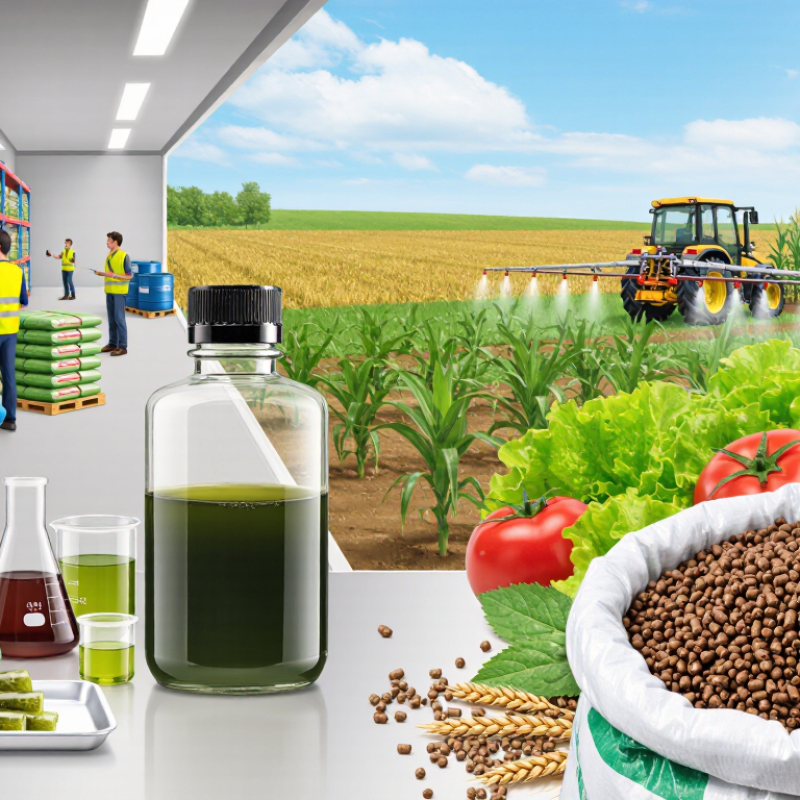
Top Seaweed Extract Fertilizer Suppliers Worldwide

What Seaweed Extract Fertilizers Are and How They Are Produced

Seaweed extract fertilizers are liquid or soluble products made from marine algae. They supply small amounts of minerals and organic compounds, and may support plant growth when used appropriately. Their composition varies with seaweed species, harvest location, season, and processing. The source matters. These products should not be assumed to replace a balanced fertilizer or correct every soil deficiency.

Production generally begins with washing harvested seaweed to remove sand and excess salts. It is then chopped and processed to release soluble compounds. Manufacturers may use water, heat, pressure, or alkaline extraction; each method affects the final composition. The extract is filtered and concentrated, then sold as a liquid or dried into powder. Harsh processing can reduce some sensitive compounds, while milder methods may cost more or extract less. Small details count.

Reliable production includes checks for nutrient content, salt levels, pH, and contaminants. Buyers can review a product’s analysis and application instructions rather than relying on broad growth claims. In practice, the best results often depend on crop, soil, dose, and timing. Seaweed extracts are not perfectly consistent, even within the same product line, and field responses can be modest. That uncertainty is worth acknowledging. Testing on a small area and observing plant response can help guide use.

Main Types and Agricultural Uses of Seaweed Extract Fertilizers

Seaweed extract fertilizers are sold mainly as liquids, soluble powders, and granules. Liquids are convenient for foliar sprays or fertigation, while powders are lighter to store and can be mixed with water. Granules are usually incorporated into soil near planting. Products differ in seaweed species and processing, so their composition and recommended rates can vary.

In vegetable production, growers may apply diluted extract to seedlings or transplant roots to support early establishment. A fine foliar spray can coat leaves during active growth, but avoid spraying in strong midday sun. In orchards, soil or irrigation applications may be used around periods of new root growth. These extracts can support plant responses to stress, yet they are not a reliable substitute for a balanced nutrient program. Not a complete feed.

Some products contain modest amounts of minerals and organic compounds, but levels vary. Read the analysis and follow the label rate. More is not necessarily better. A small test strip can show whether a treatment suits a particular crop, soil, and irrigation setup. Results vary. That uncertainty deserves attention: responses may be subtle, and weather or uneven application can obscure them.

Leading Seaweed Extract Fertilizer Suppliers by Region

Leading Seaweed Extract Fertilizer Suppliers by Region

Asia-Pacific is a major sourcing region, with coastal processors working near kelp and other brown seaweed harvests. Shorter transport from shore can help preserve raw-material freshness, though processing methods still matter. Ask suppliers about species, harvest season, and extraction temperature. These details can affect soluble compounds and batch consistency. A low price alone tells little.

European suppliers often emphasize documentation, product testing, and traceable processing. This can help growers compare soluble solids, potassium content, and application guidance across products. North American suppliers may offer more local blending, packaging, or technical support for farms and greenhouse operations. Availability varies by season and distributor. That matters.

Latin America is a developing source of seaweed-based agricultural inputs, supported by long coastlines and diverse marine resources. However, supply capacity and product specifications can differ considerably between areas. Request a recent analysis certificate and check whether it reports the same measures you need. For example, a grower using drip irrigation should confirm solubility and filtration requirements. A supplier’s regional presence is useful, but not a guarantee. I would still compare trial results from a small field plot; labels do not always predict performance in local soil.

How to Compare Supplier Quality, Certifications, and Product Range

Top Seaweed Extract Fertilizer Suppliers Worldwide

Comparing seaweed extract fertilizer suppliers takes more than checking price and a polished product sheet. Ask for specifics. Request a recent certificate of analysis showing key nutrients, moisture, and batch identification. A clear batch number should connect the product to its test results and production records. Check whether the supplier explains its seaweed source, extraction method, and storage guidance. These details help buyers judge consistency, especially when products are used across different crops or growing systems.

Certifications can support confidence, but verify what each document actually covers. Check the issuing organization, validity dates, and whether the certificate applies to the product or only the facility. That matters. Ask about contaminant testing and request the relevant results, rather than relying on broad claims. If technical documents are vague or outdated, pause and ask follow-up questions. Not always convenient, but worthwhile.

Compare product range by intended use, not by the number of available formulas. Look for clear application rates, compatibility guidance, and instructions for foliar or soil use. A supplier offering liquid and soluble forms may suit different equipment, but practical trials still matter. Test a small area and record crop response under comparable conditions. No checklist catches everything. Even careful reviews leave uncertainty, and supplier answers can be imperfect; note what remains unclear before making a larger order.

Global Sourcing, Pricing, and Distribution Considerations

Global sourcing of seaweed extract fertilizer begins with understanding where raw material is grown and processed. FAO’s The State of World Fisheries and Aquaculture 2024 reports 37.8 million tonnes of global algae production in 2022; about 97 percent came from aquaculture. That scale supports regular supply, but does not guarantee consistent extract quality. Ask suppliers for harvest origin, extraction method, batch certificates, and contaminant testing. Small differences matter.

Compare prices on a landed-cost basis, not just per tonne. Include extract concentration, moisture, packaging, inland transport, ocean freight, insurance, and port charges. Request quotations against the same specification, such as soluble solids and declared nutrient content. A low quote can be misleading. Not always. FAO’s production data describes raw algae, not fertilizer-grade extract, so it cannot establish a fair product price by itself.

Distribution planning should match product form to route and storage conditions. Liquid concentrates may need leak-resistant drums and protection from heat; powders need moisture barriers and dry warehouses. UNCTAD’s Review of Maritime Transport 2024 discusses continued exposure to shipping-route disruption and freight volatility, making lead times worth checking alongside price. Ask for shipment records and realistic delivery windows, then leave room for delays. A perfect forecast is unlikely. Batch variation and changing freight conditions still deserve review.