Why Choose a Coffee Bagging Machine for Your Business?
Coffee demand is growing, but packaging expectations are changing with it. The International Coffee Organization reported global coffee consumption of approximately 177.9 million 60-kilogram bags in coffee year 2023/24. That volume creates pressure on roasters, distributors, and private-label brands. A reliable coffee bagging machine can help businesses fill, seal, and prepare products more consistently. Every gram matters.
Modern equipment supports accurate dosing, controlled sealing temperatures, and cleaner production areas. These details become visible when bags stand on retail shelves. Weak seals may cause aroma loss, leaks, or customer complaints. Uneven fills can also increase material waste and reduce buyer confidence. Consistency matters.
Industry research supports this shift toward efficient packaging automation. PMMI reports on food and beverage packaging trends highlight labor shortages, flexible formats, and automation as continuing investment drivers. Flexible coffee pouches can reduce storage demands, but they often require careful handling during filling and sealing. A suitable coffee bagging machine must match the product, pouch structure, speed target, and available floor space.
However, purchasing equipment is not automatically the right decision. A smaller roastery may need flexibility more than maximum speed. A high-volume facility may prioritize uptime, remote diagnostics, and quick changeovers. I may be overly cautious here, but sales claims should never replace a production trial. Businesses should test real coffee beans, actual bag materials, and expected operating conditions before deciding. The strongest choice combines measurable output with operator experience, dependable service, and documented food-safety practices. That balance makes automation practical, not merely impressive.
What Is a Coffee Bagging Machine?
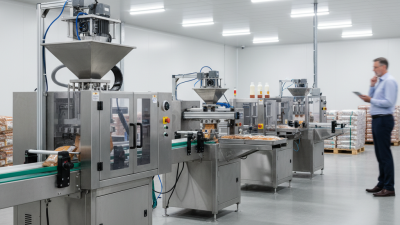
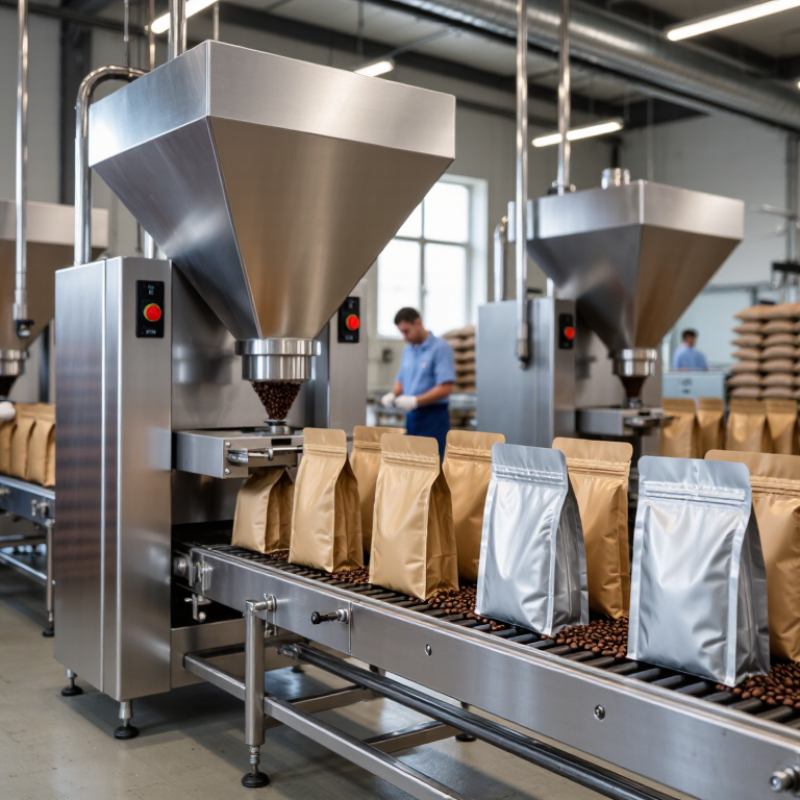
A coffee bagging machine is equipment that fills, weighs, and seals roasted coffee inside prepared bags. It can handle whole beans, ground coffee, or both, depending on its dosing system. A typical line includes a hopper, weighing unit, bag holder, sealing jaws, and control panel. Some models also add nitrogen flushing, valve placement, and date coding. These features help reduce oxygen exposure and protect aroma during storage.
In a small roasting room, operators often move bags by hand and check each weight on a scale. This works at low volume, but it becomes tiring during busy production days. A machine can deliver more consistent portions and cleaner seals. However, it is not automatically the best choice. Product size, roast temperature, bag material, and available floor space all affect performance. Incorrect settings may crush delicate beans or leave weak seals. I have found that practical testing matters more than impressive specifications. A careful trial with real coffee can reveal problems early.
Tips: Check the machine’s weighing accuracy before purchase. Ask whether it supports your bag shape and closure style. Keep the sealing area free from coffee dust. Record adjustments for different grind sizes. Train operators to inspect seals, weights, and code clarity each shift. Even a reliable machine needs regular cleaning and maintenance.
How Does a Coffee Bagging Machine Work?
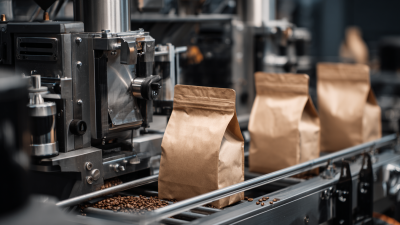
A coffee bagging machine turns roasted beans into sealed, retail-ready packs through several controlled steps. The process begins when beans enter a hopper above the filling system. A screw auger or weighing mechanism then measures each portion. Weight-based filling usually provides better accuracy for premium coffee products.
The empty bag is positioned beneath the filling nozzle. The machine may remove air or add food-grade protective gas before sealing. This helps reduce oxygen exposure and preserve aroma. The bag’s open edge moves into heated sealing jaws, which apply pressure and controlled temperature. A sensor checks the seal area before the finished package leaves the machine.
Small details matter.
In practical production, operators adjust filling speed, seal temperature, and timing for each coffee format. Grind size, bean shape, roast level, and humidity can affect the result. A darker roast may release more surface oil, making clean sealing more difficult. Regular calibration is essential, especially when changing bag sizes.
The process is not magic.
I have seen minor temperature changes create weak seals or wrinkled edges. This is why trained staff should inspect sample bags, verify weights, and record adjustments during production. A machine can improve consistency, but it cannot replace careful setup and routine quality checks.
What Benefits Does It Offer Coffee Businesses?
Why Choose a Coffee Bagging Machine for Your Business?
A coffee bagging machine can make daily production faster, cleaner, and more consistent. Operators can fill each pouch with a controlled amount, reducing uneven weights and product waste. This matters when customers expect the same quantity in every purchase. A stable filling process also helps staff focus on roasting, quality checks, and order preparation.
The machine supports better freshness control. Many systems can remove air or add food-grade protective gas before sealing. A strong seal helps protect roasted coffee from oxygen, moisture, and aroma loss. Clear settings can improve repeatability across different bag sizes. Production records may also help teams track batch numbers, fill weights, and sealing temperatures.
Labor savings are another practical benefit. One trained operator may manage tasks that once required several people. Still, automation is not a magic fix. Poor calibration can create underfilled bags, weak seals, or unnecessary downtime. Regular cleaning and inspection remain essential, especially around filling nozzles and sealing jaws. Businesses should also check changeover time before purchasing. A machine that runs quickly but takes too long to adjust may slow smaller orders. The best choice depends on production volume, packaging materials, staff skills, and available floor space.
Why Choose a Coffee Bagging Machine for Your Business?
Typical coffee packaging throughput by bagging method
Automated coffee bagging systems can process substantially more bags per minute than manual or semi-automatic methods. Higher throughput can help coffee businesses reduce repetitive labor, improve fill consistency, and scale production while maintaining reliable packaging quality. The figures shown are representative operating benchmarks; actual performance depends on bag format, product density, dosing system, and equipment configuration.
Which Features Matter When Choosing a Machine?
Why Choose a Coffee Bagging Machine for Your Business?
Which Features Matter When Choosing a Machine?
Choosing a coffee bagging machine starts with your daily production reality. A fast machine is not always the best investment. Fill accuracy protects product margins and keeps customers receiving consistent packs. Look for reliable load cells and simple calibration controls. During a small production trial, I found that freshly roasted beans flowed differently from older beans. Bean size, oil content, and roast level can affect accuracy. Ask suppliers to test your coffee, not a generic sample.
Seal quality deserves equal attention. A weak seal can allow oxygen and aroma to escape before the bag reaches the shelf. Adjustable temperature, pressure, and sealing time help operators manage different packaging materials. A gas-flushing option may support freshness for suitable products. Dust extraction around the filling area is also practical. Coffee dust can affect sensors and create frequent cleaning work.
Controls should be clear enough for a new operator to learn quickly. Recipe storage can reduce setup errors during product changes. Tool-free access makes cleaning less frustrating. It matters more than glossy screens. Check whether spare parts, technical support, and operator training are available in your region. A machine may perform well during testing but become expensive when small faults take weeks to repair. I would also measure noise, floor space, and changeover time. These details are easy to overlook. My own mistake was focusing too heavily on output speed. Lower waste and dependable maintenance often matter more over several years.
How Can Businesses Select the Right Bagging Solution?
How Can Businesses Select the Right Bagging Solution?
Selecting a coffee bagging machine starts with the product, not the machine catalog. The USDA Foreign Agricultural Service forecast global coffee production at 176.2 million 60-kilogram bags for 2024/25. That scale increases pressure on consistent filling, sealing, and traceability. A small roaster may need flexible changeovers, while a high-volume plant may prioritize speed, dosing accuracy, and fewer operator adjustments.
Coffee degasses after roasting, so the package must support freshness and controlled gas release. Test valve placement, seal temperature, and residual oxygen with the exact roast profile. A nitrogen-flushing system may help, but its value depends on coffee moisture, grind size, and storage conditions. The International Coffee Organization reported global consumption of about 177.9 million bags in 2023/24. Even a minor sealing defect can become expensive at that volume.
Run practical trials before approving equipment. Measure fill-weight variation, bag rejection rates, changeover time, and seal strength. Check whether the machine handles flat-bottom, side-gusseted, or pillow bags without awkward manual work. It sounds obvious. It is often missed. I would not trust a supplier’s speed claim without testing real bags, real coffee, and planned staffing. A perfect specification rarely survives the factory floor, so operators should review cleaning access, maintenance skills, spare-part availability, and data recording requirements. These details often decide whether the solution remains reliable after installation.