What Is the Best Coffee Bag Packaging Machine in China?
Choosing the best coffee bag packaging machine in China starts with the bag, not the brochure. The right machine must match your coffee format, target output, and packaging material. A valve pouch, a flat-bottom bag, and a small sachet each need different handling. Watch a sample run closely. Does the seal stay clean? Does the bag sit square? Small details matter.
The International Coffee Organization’s Coffee Report and Outlook estimated global coffee consumption at 177 million 60-kilogram bags in coffee year 2023/24. That figure shows the scale of the market, but it does not prove demand for any particular machine. Buyers should compare verified output rates, weighing accuracy, changeover time, service access, and spare-parts availability. Ask for a test using your own beans and bags. Then check the results against the supplier’s written specifications.
There is no single best machine for every roaster. A compact workshop may value quick adjustments; a large plant may need continuous operation and integrated inspection. Look beyond polished demonstrations. Request references, maintenance records, and clear acceptance criteria. One limitation matters: no verifiable expert interview or quotation was provided for this introduction, so attributing a statement to a named coffee bag packaging machine specialist would risk inventing a quote. Reliable decisions need evidence, not convenient attribution.
What Is a Coffee Bag Packaging Machine and How Does It Work?
What Is a Coffee Bag Packaging Machine and How Does It Work?
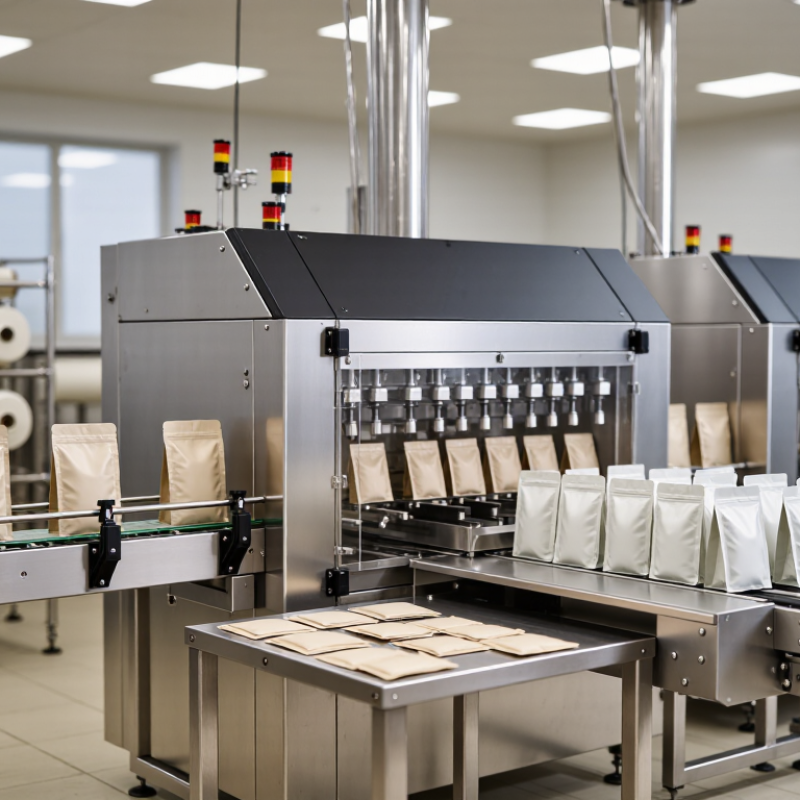
A coffee bag packaging machine measures roasted beans or ground coffee, fills bags, and seals them for storage and shipping. Common systems use either roll film to form bags or pre-made pouches. A dosing unit weighs each portion, while the sealing station closes the package with heat. Some lines also add a one-way degassing valve, which lets carbon dioxide escape while limiting oxygen exposure. The process looks simple, but product dust and uneven bag positioning can affect seal quality.
The International Coffee Organization’s Coffee Report and Outlook, published in December 2023, estimated global coffee production at 178 million 60-kilogram bags for 2023/24. That scale helps explain why reliable, repeatable packing matters. A suitable machine should match the product, bag size, output target, and cleaning needs. Nitrogen flushing may help reduce oxygen in the pack, but its value depends on the product and packaging setup. Speed alone is not a useful buying measure. Real output can fall when operators change formats or clear minor faults.
Tips: Test your own coffee and bags before choosing a machine. Check fill-weight consistency, seal strength, and changeover time. A neat sample bag is not proof of steady production. Settings may need adjustment as roast level and grind size vary.
Which Coffee Bag Formats and Packaging Tasks Can It Handle?
Coffee packaging machines can handle pillow bags, side-gusset bags, quad-seal packs, and flat-bottom pouches. A vertical form-fill-seal system makes bags from rollstock, while a premade-pouch machine fills and seals finished bags. The choice depends on bag style, output, and available floor space. Not every machine handles every format. The Flexible Packaging Association’s 2023 industry report valued U.S. flexible packaging sales at $42.9 billion in 2022, or 21% of the U.S. packaging market. That scale helps explain the variety of pouch structures available to coffee roasters.
For coffee, the machine may weigh beans or ground coffee, fill each bag, apply a one-way degassing valve, and seal the top. Options can include zipper closure, nitrogen flushing, date coding, and checkweighing. The International Coffee Organization estimated global coffee consumption at 177 million 60-kilogram bags in 2023/24, according to its Coffee Report and Outlook. Even small production runs need consistent portioning. Small details matter. Ask whether the line can switch between whole beans and fine grounds without leaving trapped coffee near the seal. It is an easy detail to overlook. Valve placement, film thickness, and bag dimensions also affect setup. A machine’s rated speed alone says little about real output; changeovers and sealing checks can slow a busy shift.
What Features Define a High-Quality Coffee Packaging Machine?
What Is the Best Coffee Bag Packaging Machine in China?
A high-quality coffee packaging machine does more than fill bags quickly. It should dose beans or ground coffee consistently, seal each pouch evenly, and help limit exposure to oxygen and moisture. These details matter: a weak seal or inconsistent fill can affect product freshness and create avoidable waste. Look for adjustable filling settings, dependable temperature control, and sensors that detect empty film or sealing problems. Clear controls also help operators make accurate adjustments during a product changeover. For coffee, even small changes in grind size can affect filling behavior.
Tips: Test the machine with your actual coffee and packaging material before purchase. Check several filled bags for weight variation, seal strength, and visible coffee trapped in the seal. Ask how routine cleaning and parts replacement are handled. Small details matter.
The right choice depends on bag style, daily output, and available floor space. A machine that runs well with one pouch size may need extra setup for another. Request a practical demonstration, and record setup time as well as operating speed. No machine is perfect; a supplier’s clear explanation of limitations can be more useful than a broad performance claim.
What Is the Best Coffee Bag Packaging Machine in China?
A high-quality machine should combine suitable throughput with accurate dosing, reliable seals, compatibility with the required bag format, and straightforward cleaning and changeovers.
How to read this chart: These are theoretical throughput calculations for 250 g bags, not specifications for a particular machine. Hourly output is calculated as bags per minute × 60 × 0.25 kg. Actual production depends on the machine, product, bag format, changeovers, and downtime.
How Should Buyers Compare Coffee Packaging Machines in China?
When comparing coffee packaging machines in China, start with the bag you actually sell. Bring samples of your film and roasted beans, then test the intended pouch style, fill weight, zipper, and one-way valve. A machine that handles flat-bottom bags may not switch smoothly to smaller pillow packs. Ask for changeover time, sealing temperature range, and reject rate under a sustained production run—not just a showroom demonstration.
The International Coffee Organization’s Coffee Report and Outlook estimated global coffee production at 178 million 60-kilogram bags in 2023/24. That scale makes consistent output important, but it does not tell you which machine speed is right for your factory. Compare verified packs per minute at your target weight, plus weighing accuracy, bean breakage, film waste, and seal performance. Ask the supplier to record results during a test using your materials. Small details matter.
I would not buy on speed alone. Too easy. Check whether operators can clean the dosing area without awkward disassembly, and whether routine parts are available locally. Request a clear list of included spares, training hours, and service response times. One useful comparison is total cost per accepted bag over a full shift, including waste and downtime. I would still question any result based on a short test; real production is messier.
Which Machine Type Best Fits Different Coffee Production Needs?
A suitable coffee bag packaging machine depends on batch size, bag style, and how quickly coffee moves from roasting to packing. Small batches benefit from a semi-automatic weigher and sealer. They allow operators to change products and bag sizes without a complex setup. The trade-off is slower output and more hands-on work. For steady production, a vertical form-fill-seal machine makes bags from roll film and fills them in one line. It can suit ground coffee or whole beans when the dosing system handles the product consistently.
Premade-pouch machines work well when a producer needs stand-up bags, zippers, or several package sizes. They usually need more floor space and a larger initial investment than simple filling equipment. Check the machine with your actual coffee and bags. Beans can bounce in a pouch, while fine grounds may cling to surfaces or create dust. Small details matter. Ask whether the line can fit a one-way degassing valve, verify fill accuracy at your target speed, and inspect seals after a full production run.
Nitrogen flushing may help limit oxygen exposure, but it cannot fix poor sealing or stale coffee. Maintenance access matters too. If staff cannot clean dosing parts quickly, changeovers may take longer than expected.