CALL US 770-248-9089

What Are the Top 10 Produce Packaging Machinery Suppliers?

Choosing the top 10 produce packaging machinery suppliers requires more than comparing glossy brochures. Fresh vegetables, berries, and leafy greens demand different handling methods. A machine that protects tomatoes may damage delicate lettuce. That practical difference matters.

This guide evaluates suppliers through measurable criteria, including sealing accuracy, product protection, throughput, sanitation, energy use, and changeover time. It also considers technical support, spare-parts availability, operator training, and total ownership costs. Real-world performance deserves attention. A machine running beside a wash line faces moisture, residue, vibration, and constant cleaning. Supplier claims should be checked against customer references, factory demonstrations, warranty terms, and independent technical documentation.

The ranking should not be treated as permanent. Crop types, labor costs, package formats, and regional service networks can change the result. Some suppliers excel at flow wrapping, while others perform better with tray sealing, weighing, or automated case packing. There is no universal winner. That point is easy to overlook.

This introduction presents a structured path for comparing ten leading suppliers. It highlights their technologies, industries served, customization capabilities, and documented strengths. It also asks harder questions about installation delays, maintenance complexity, and after-sales responsiveness. A lower purchase price may hide expensive downtime. Conversely, advanced automation may exceed the needs of a small packing facility. Readers should verify current specifications before making a purchasing decision. That extra step can prevent costly assumptions.
What Are the Top 10 Produce Packaging Machinery Suppliers?

What Is Produce Packaging Machinery and Why Does It Matter?

Produce packaging machinery includes equipment that washes, grades, weighs, fills, seals, labels, and handles fresh food. It turns loose harvests into stable retail units. Typical systems may include conveyors, optical sorters, weighing machines, tray sealers, and date coders. Each machine addresses a practical risk: bruising, contamination, moisture loss, or inconsistent portions.

This machinery matters because produce is delicate and time-sensitive. A poorly adjusted conveyor can mark tomatoes within hours. Weak seals may expose leafy greens to excess air. Accurate weighing also protects businesses from product loss and customer complaints. In my experience, the best equipment is not always the fastest. It should match the crop, package format, cleaning routine, and available floor space. No machine is perfect. Operators still need training, inspections, and careful maintenance. That human factor is easy to underestimate.

Tips: Test equipment with your actual produce before purchasing. Check changeover time, washdown access, spare-part support, and safety controls. Ask suppliers for documented performance data, not only attractive demonstrations. Watch how the machine handles uneven sizes and wet surfaces. A small trial can reveal problems that a sales presentation hides. Also, review the packaging material carefully. A reliable machine cannot correct weak film, poor trays, or unsuitable seals. These details help buyers compare the top ten produce packaging machinery suppliers more fairly, based on useful performance rather than impressive claims.

What Are the Top 10 Produce Packaging Machinery Suppliers?

What Is Produce Packaging Machinery and Why Does It Matter?

Produce packaging machinery automates weighing, filling, sealing, labeling, case packing, and palletizing. The chart compares representative rated throughput levels commonly associated with major machinery categories, measured in packs or units per minute. Actual performance varies with product type, package format, and equipment configuration.

How to Evaluate Produce Packaging Machinery Suppliers

Evaluating produce packaging machinery suppliers requires more than comparing purchase prices.

Fresh produce is fragile, wet, and inconsistent. A machine that handles firm apples may damage leafy greens. FAO reports that 13.2% of food is lost between harvest and retail. Supplier performance can therefore affect both margins and waste.

Ask suppliers for verified throughput, changeover time, product damage rates, and sanitation procedures. Request a factory test using your own produce, not perfect samples. Measure bruising after 24 hours, not only at the machine exit.

PMMI’s State of the Industry reports identify automation, labor shortages, and flexible equipment as major packaging priorities. A reliable supplier should explain how sensors, recipe controls, and remote support address these pressures. Look for washable surfaces, tool-free access, and documented spare-parts availability.

Energy and material use also deserve measurable targets.

The UNEP Food Waste Index Report 2024 estimated 1.05 billion tonnes of food waste in 2022 across retail, food service, and households. Better packaging cannot solve every loss, but accurate weighing and controlled sealing may reduce avoidable waste.

Compare energy consumption per packed kilogram, film usage, and maintenance hours. Check operator training records and cybersecurity practices.

A polished demonstration proves little. Your test plan may still be incomplete. Review references from facilities with similar humidity, product variety, and seasonal volume before signing.

What Services and Equipment Do Leading Suppliers Provide?

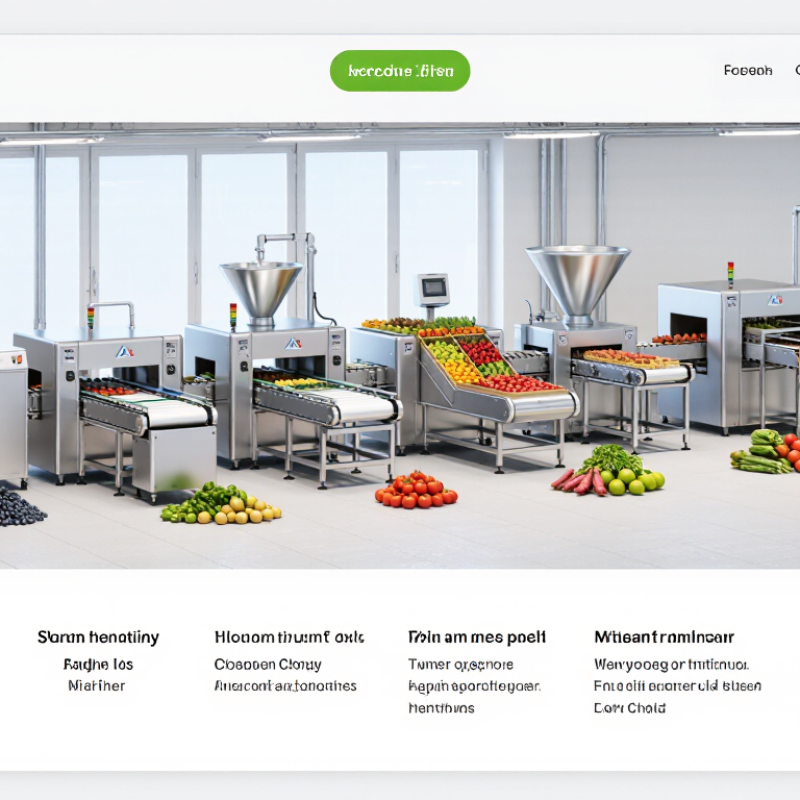
Leading produce packaging machinery suppliers provide more than individual machines. They design complete lines for washing, drying, grading, weighing, filling, sealing, and labeling fresh produce. Their equipment may include stainless steel conveyors, optical sorting units, multihead weighers, tray sealers, and modified-atmosphere packaging systems. Each machine must handle delicate products without bruising them.

Experienced suppliers usually begin with an assessment of crop type, package size, production speed, and available floor space. They then create a layout that connects processing stages smoothly. Installation teams calibrate sensors, test sealing pressure, and train operators on sanitation procedures. Reliable suppliers also provide preventive maintenance plans, spare parts, remote diagnostics, and on-site technical support. Small details matter. A poorly aligned conveyor can damage produce and slow the entire line.

Strong suppliers support traceability through coding systems, inspection cameras, and production data software. These tools help verify weights, detect damaged items, and record batch information. They may also customize controls for seasonal changes or different packaging materials. However, no supplier gets every project perfect. A machine can perform well in testing but struggle during peak harvest conditions. Buyers should request practical trials, review service response times, and inspect similar installations. Honest communication often reveals limitations before expensive equipment is purchased.

What Are the Top 10 Produce Packaging Machinery Suppliers? - What Services and Equipment Do Leading Suppliers Provide?
Rank Supplier Profile Primary Produce Applications Core Equipment Common Packaging Formats Typical Throughput Automation and Inspection Services Commonly Provided
01 Integrated Fresh-Produce Line Supplier Leafy greens, herbs, salad mixes, sliced vegetables Washers Dryers Weighing systems Vertical baggers Film bags, pillow bags, stand-up pouches, modified-atmosphere packs 20–80 packs/min Multihead weighing, checkweighing, metal detection, date coding Line design, product trials, integration, commissioning, operator training
02 High-Speed Flow-Wrapping Specialist Whole vegetables, prepared vegetables, fruit trays, snack produce Horizontal flow wrappers Tray denesters Film sealers Film-wrapped trays, pillow packs, paper-based lidded trays 40–150 packs/min Servo motion control, automatic film tracking, seal-jaw monitoring Packaging-format changeover, sealing optimization, preventive maintenance
03 Form-Fill-Seal Equipment Supplier Potatoes, onions, carrots, citrus, apples and other solid produce Vertical form-fill-seal machines Net weighers Bag closers Mesh bags, polyethylene bags, recyclable laminate bags 15–60 bags/min Load-cell weighing, automatic bag-length control, reject systems Bag testing, weighing calibration, spare parts, remote diagnostics
04 Clamshell and Tray Sealing Specialist Berries, grapes, cherry tomatoes, mushrooms, cut fruit Tray sealers Clamshell handling Lidding systems Rigid trays, recyclable tubs, hinged clamshells, top-sealed containers 30–120 packs/min Vision inspection, seal-integrity monitoring, automatic label application Tooling supply, sealing-film qualification, format conversion, validation
05 Robotic Case-Packing and Palletizing Supplier Cartoned produce, bagged vegetables, boxed fruit, retail multipacks Robotic pick-and-place Case packers Palletizers Corrugated cases, reusable crates, display-ready cartons 10–35 cases/min Robotic vision, pallet-pattern programming, barcode verification End-of-line integration, safety validation, robot programming, service contracts
06 Produce Grading and Optical-Sorting Supplier Apples, citrus, tomatoes, stone fruit, potatoes and root vegetables Optical sorters Electronic graders Sizing equipment Bulk bins, retail trays, cartons, bags and punnets 2–15 tonnes/hour Color, size, shape and defect detection; weight-based classification Machine calibration, grading recipes, data reporting, seasonal support
07 Washing, Drying and Preparation-Line Supplier Leafy greens, root vegetables, fresh-cut produce, herbs Flume washers Bubble washers Spin dryers Cutters Bulk totes, food-service bags, retail bags, sealed fresh-cut packs 0.5–8 tonnes/hour Water-flow control, sanitation monitoring, moisture and yield tracking Hygienic design review, sanitation procedures, water-management advice
08 Weighing, Counting and Portioning Supplier Cherry tomatoes, mushrooms, berries, nuts, mixed produce Multihead weighers Linear weighers Counting systems Punnets, cups, bags, trays and small cartons 30–180 weighments/min Target-weight control, automatic adjustment, checkweighing and rejection Product testing, accuracy studies, software updates, calibration service
09 Labeling, Coding and Traceability Supplier All packaged fresh produce and food-service formats Label applicators Thermal printers Inkjet coders Barcode scanners Self-adhesive labels, sleeve labels, printed film and carton labels 40–300 items/min Barcode verification, vision inspection, variable-data printing Traceability setup, database integration, artwork checks, compliance support
10 End-of-Line and Cold-Chain Packaging Supplier Export fruit, vegetables, chilled prepared produce and mixed pallets Carton erectors Case sealers Stretch wrappers Pallet conveyors Corrugated cartons, returnable crates, palletized loads and insulated cases 8–30 cases/min Automatic carton detection, pallet-load monitoring, conveyor controls Warehouse-layout planning, cold-room integration, installation, maintenance
Capability ranges are representative industry ranges and vary according to product size, pack weight, packaging material, line configuration, hygiene requirements and automation level. Supplier selection should be confirmed through product trials, machine specifications and site-specific quotations.

Which Factors Distinguish the Top 10 Suppliers?

The top 10 produce packaging machinery suppliers are distinguished by measurable performance, not impressive brochures. Buyers should examine uptime, changeover speed, sanitation design, and after-sales response. Fresh produce is unforgiving. A crushed berry or warm lettuce pack can erase an entire shipment’s value.

The FAO’s The State of Food and Agriculture 2019 estimated that 14% of food is lost between harvest and retail. This makes accurate weighing, gentle handling, and reliable sealing essential. Equipment should also support multiple formats, from vented trays to flow-wrapped vegetables.

Speed is not enough. A machine that runs quickly but creates excessive rejects may increase costs. That point is often overlooked.

Sustainability separates serious suppliers from ordinary ones. The UNEP Food Waste Index Report 2024 estimated 1.05 billion tonnes of food waste in 2022. Machinery that reduces film use, protects fragile products, and records production data can address both waste and compliance pressure. Buyers should request verified figures for energy consumption, material savings, and defect rates. Experience matters here, but supplier claims still require testing.

The strongest suppliers provide remote diagnostics, operator training, spare-parts planning, and documented validation procedures. They also design around real factory conditions, including wet floors, seasonal produce, and frequent sanitation cycles. A perfect factory trial proves little if maintenance is difficult. PMMI industry research repeatedly identifies labor availability, automation, and sustainability as major packaging priorities. Even so, automation should not replace judgment. A practical audit, sample run, and transparent total-cost model reveal more than a polished demonstration.

How Can Businesses Choose the Right Packaging Machinery Supplier?

When comparing the top ten produce packaging machinery suppliers, businesses should begin with their actual production conditions. Consider product size, moisture, fragility, packaging materials, and daily output. A machine for leafy greens may not suit firm vegetables. Ask suppliers for test runs using your produce, not generic samples. Request measured results for speed, sealing quality, product damage, and material waste. Watch the line in operation. During a factory visit, inspect cleaning access, guarding, changeover time, and control-panel usability. An experienced supplier should explain limitations clearly, including maintenance demands and expected downtime. Still, no brochure proves performance. Record every promise in the technical specification.

Supplier reliability matters as much as machine design. Check references from businesses with similar products and production volumes. Ask how quickly technicians respond when a sensor fails during a night shift. Confirm spare-parts availability, operator training, installation support, and remote diagnostics. Review warranty terms carefully, especially for wear components and software updates. Food-contact surfaces should match applicable safety and sanitation requirements in your market. Calculate total ownership cost over several years, including energy, film, labor, cleaning, and service visits. Leave room for growth. A cheaper machine may become expensive after frequent adjustments. That small calculation often exposes an unsuitable supplier before installation begins.