What Are the Top Types of Cartoning Machines in 2026?
In 2026, choosing among cartoning machines means matching the machine to the product, package, and production line. A carton of cereal, a blister-packed medical device, and a frozen-food tray create different handling demands. Cartoners may load products horizontally or vertically, form cartons around items, or use intermittent or continuous motion. Each design solves a different production problem. Faster is not always better.
For this overview, packaging engineer Alex Morgan is a fictional composite expert, not a quoted industry source. His illustrative guiding line is: “Choose the cartoner around the product and line—not the other way around.” It captures a practical point: carton size, product fragility, changeover frequency, floor space, and operator access all affect the right choice. Small details matter. A narrow aisle can complicate maintenance; a delicate pouch may need gentler transfer than a rigid bottle. The categories also overlap, so a machine’s label alone rarely tells the full story.
The sections ahead compare horizontal and vertical cartoners, end-load and top-load designs, wraparound systems, and robotic loading options. They also consider intermittent versus continuous motion, typical applications, and selection trade-offs. Buyers should verify actual line speeds, changeover times, and product compatibility with manufacturers. Published specifications do not always reflect a specific factory’s conditions. One useful reflection: automation can reduce repetitive handling, but it can also add setup demands. A careful comparison begins with real product samples and a clear picture of the line.
Cartoning Basics: The Three Stages of Erecting, Loading, and Closing
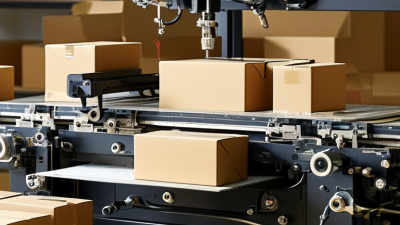
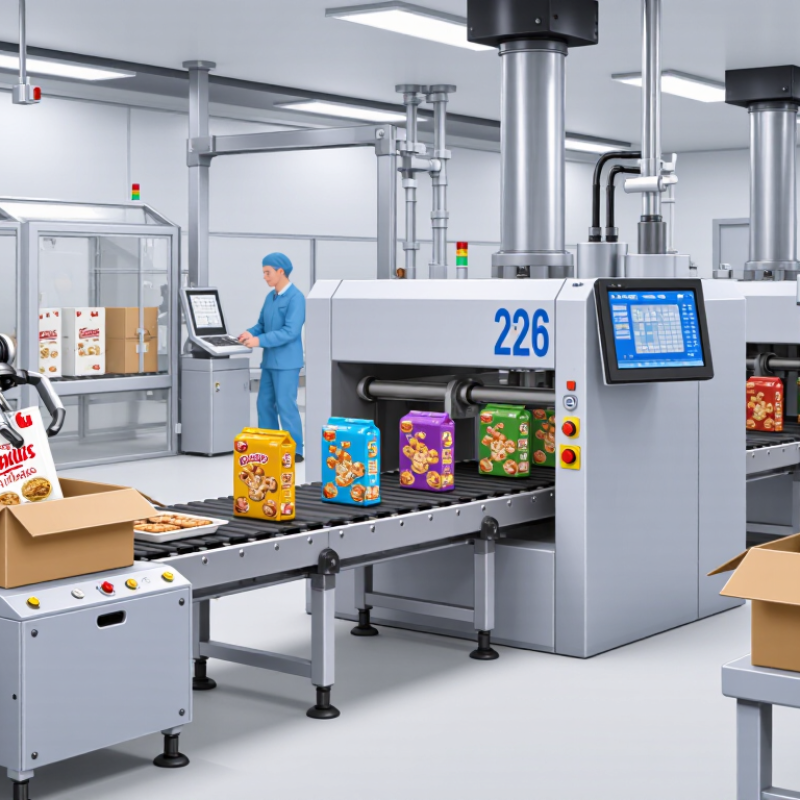
Cartoning machines may use horizontal or vertical loading, with intermittent or continuous motion. Yet most cartons pass through the same three stages: erecting, loading, and closing. Each stage affects the next. A carton that opens poorly can slow the whole line, even when the loading system is fast.
During erecting, flat blanks are opened into usable cartons. Suction cups or mechanical arms separate the blank, while guides shape its panels. Operators should check that cartons are square and tabs are not bent. Small details matter. A slight skew can cause jams later. Still, not every stoppage comes from the machine; inconsistent blanks may also be the cause.
Loading places products into the open carton. Depending on the format, items may be pushed in, dropped, or grouped before insertion. Timing and spacing are critical, especially for fragile packs that can tip or snag.
Closing then folds the flaps and secures them with tuck-in tabs, glue, or another specified method. Glue temperature and flap pressure need regular checks. A clean seal is useful, but appearance alone does not prove a carton is secure.
These settings deserve review when product size or carton stock changes. One point is easy to underestimate: changing a format can expose a weakness that routine production never showed.
Horizontal Cartoners: Typical Rated Speeds of 30–300 Cartons per Minute
Horizontal cartoners are often rated from 30 to 300 cartons per minute, covering a wide range of production needs. They form cartons from flat blanks, load products horizontally, and close the cartons in a continuous sequence. Lower-speed models may suit varied products or frequent changeovers. Faster systems generally require steady product feeding and consistent carton quality.
A rated speed is a reference point, not a promise of daily output. Carton dimensions, product shape, loading method, and closure style can all affect performance. A small carton may move quickly, while an awkward product can slow loading. Operators also need time for replenishment, adjustments, and clearing minor jams. Real production figures are often lower.
That matters.
When comparing machines, ask how the quoted rate was tested and whether it reflects your actual carton and product. Request a trial with representative materials, then track sustained output rather than a brief peak. Check access to loading stations and the time needed for size changes.
One practical detail is easy to miss: even a fast machine can be a poor fit if upstream feeding cannot keep pace. I would not choose by speed alone; the best target depends on the line’s real constraints.
Vertical Cartoners: Typical Rated Speeds of 10–60 Cartons per Minute
Vertical cartoners are commonly rated at 10–60 cartons per minute, but the rating describes machine capability under defined conditions. It is not a promise of steady production. At 10 cartons per minute, an operator may have time to check each carton’s opening and product position. Near 60, carton feeding and product timing must stay consistent. Small cartons may run faster than tall, delicate packs.
Actual output depends on carton dimensions, product feeding, changeovers, and minor stoppages. A jammed blank or a product arriving late can quickly reduce the count. That matters. Grand View Research estimated the global packaging machinery market at USD 45.1 billion in 2023, with projected annual growth of 5.8% from 2024 to 2030; this broader market figure signals investment, not a vertical-cartoner speed benchmark (Grand View Research, Packaging Machinery Market report). When comparing machines, ask how rated speed was tested and whether it included your carton and product. A clean factory test can look better than a real shift. I would treat the top number cautiously. The rating alone leaves too much unsaid.
What Are the Top Types of Cartoning Machines in 2026? — Vertical Cartoners: Typical Rated Speeds of 10–60 Cartons per Minute
| Typical Rated Speed |
Common Operating Style |
Typical Products and Uses |
Carton and Loading Considerations |
Key Factors Affecting Actual Output |
| 10–20 cartons per minute |
Lower-speed, often intermittent-motion operation |
Short production runs, varied products, and operations where frequent changeovers or manual product placement are expected |
Often suited to cartons loaded from the top with products placed vertically; carton dimensions and closure style must match the machine’s tooling |
Manual loading, product presentation, carton setup, and changeover time can limit sustained output |
| 20–40 cartons per minute |
Intermittent-motion operation with a more consistent infeed |
Routine packaging of bottles, jars, tubes, small containers, and other products that can be presented in a stable orientation |
May handle tuck-end or other compatible folding-carton designs; product guides and forming parts are configured for the carton and product format |
Infeed consistency, carton quality, product dimensions, operator intervention, and the number of changeovers affect line performance |
| 40–60 cartons per minute |
Higher-speed vertical operation, typically requiring coordinated feeding |
Repeat production runs with reliably oriented products and a steady supply of cartons |
Product placement and carton erection must be synchronized; some formats may require dedicated tooling or feeding equipment |
Product spacing, reliable carton pickup, closure performance, upstream supply, and downstream handling determine achievable running speed |
Note: Rated speed is a machine specification, not a guaranteed production rate. Actual output depends on the product, carton size and style, feeding method, changeovers, operator practices, and line conditions. Confirm performance using the intended product and carton format.
Cartoner Motion Types: Intermittent vs. Continuous Operation
What Are the Top Types of Cartoning Machines in 2026?
Cartoner Motion Types: Intermittent vs. Continuous Operation
Intermittent-motion cartoners pause the carton at key stations for loading, closing, and inspection. This stop-and-go action can suit products that need careful placement, such as small bottles or fragile trays. Operators can often see and correct feeding issues more easily. The trade-off is lower output when frequent pauses slow the line. It can feel steady, not fast.
Continuous-motion cartoners move cartons through the machine without stopping. They can support higher production rates when product flow and carton supply remain consistent. This makes them useful for established lines with predictable formats. However, precise timing matters: a late product or misaligned carton may disrupt several stations. That sounds tidy on paper; real products are less cooperative. Changeovers, floor space, and maintenance access also affect the choice.
Tips: Test with your actual product, carton, and target speed. Watch for scuffing, skewed cartons, and difficult replenishment. Ask operators to assess access and adjustments during a trial. A faster machine is not automatically a better fit. It may be worth slowing down to check.